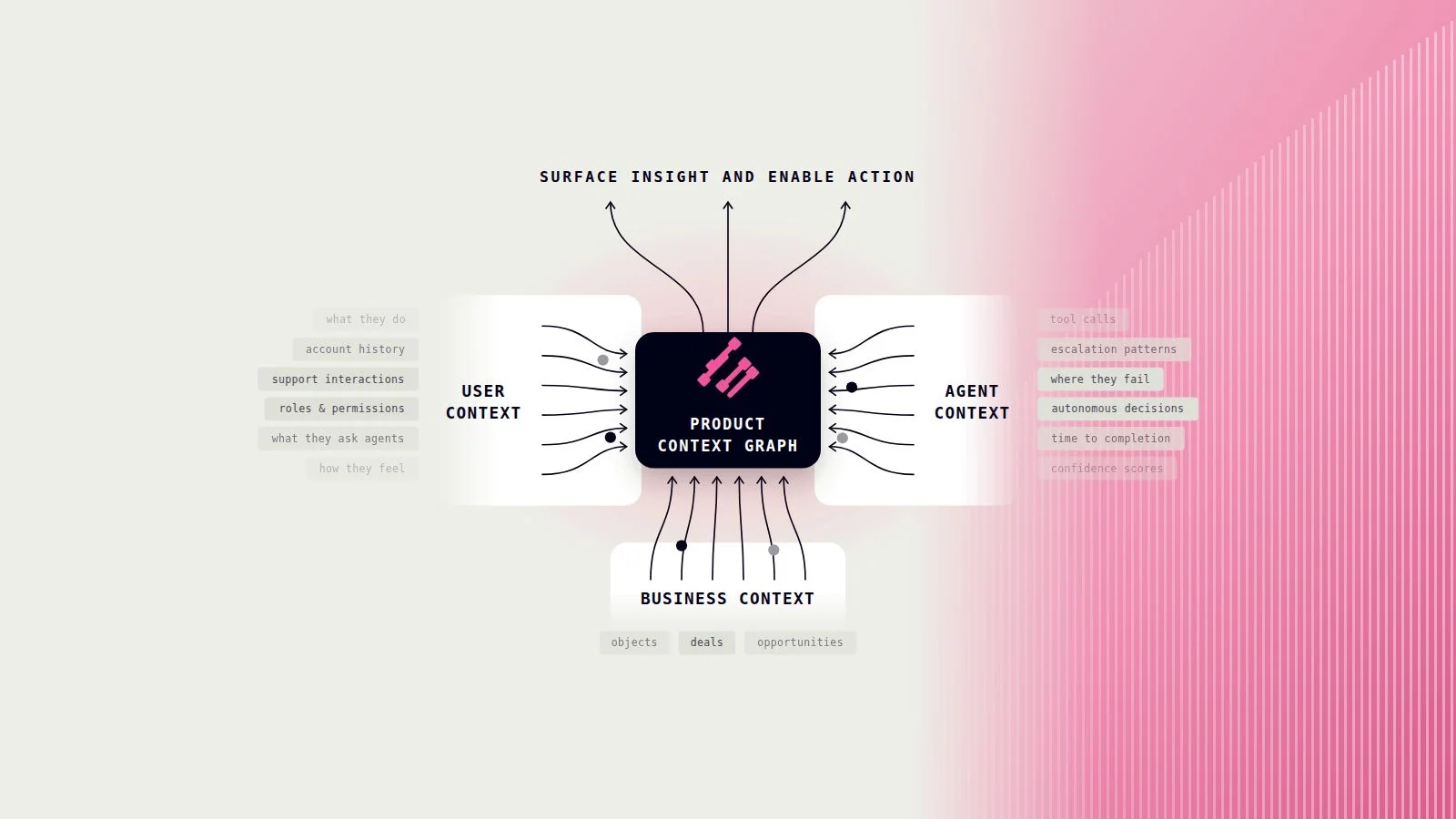
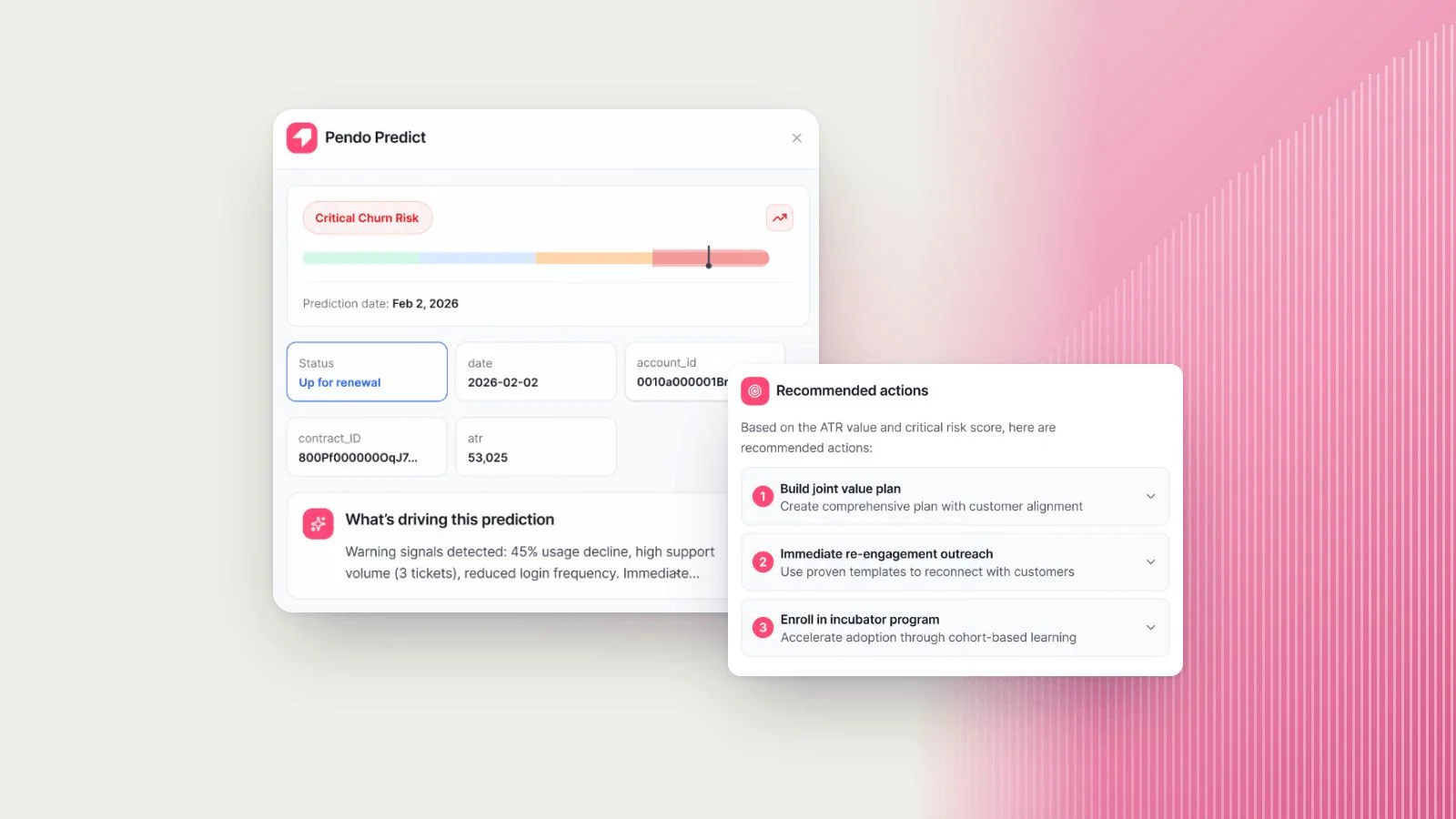
AIのペースと私たちの利用状況シグナルを踏まえると、それ以上の固定ロードマップはもはや意味をなしません。
このミーティングは2つのインプットで成り立っています。1つ目は、バグ、UXの課題、製品のギャップなど、継続的な フィードバックガイド を通じてUI上で送信される直接的なカスタマーフィードバックです。このデータは定性的ですが、Pendoを使って実際に定量化することができます。同じ不満を抱えたユーザーが何人いるか、同じリクエストをしたユーザーが何人いるか、そして各優先事項の背後にあるアカウント価値を測定できます。また、特に積極的に関与しているユーザーには、通話でのヒアリングを目指しています。
2つ目の主要なインプットは、 Agent AnalyticsのIssuesです。 私は Leo(PendoのAIプロダクトアシスタント)のリードPMです。私たちは毎週Agent Analyticsを使い、お客様が自社のエージェントに活用することを期待するのと同じ方法でLeoを計測しています。以下に、実際の活用例を2つご紹介します。
数千件のユーザー会話を失敗させていたガードレール
Leoのローンチ時、私たちはハウツー質問のサポートをあえて行わないことにしました。「セグメントはどうやって作るの?」「ロードマップはどうやって更新するの?」といった質問です。ユーザーが尋ねると、LeoはPendoのナレッジベースへ誘導していました。
そのガードレールを設けたのは、Leoがそれらの質問でハルシネーションを起こしていたからです。まだ最新のナレッジソースに接続しておらず、誤った回答を提供したくありませんでした。これは、ロードマップを構築し製品を開発する際に継続的なトレードオフを行うという現実です。
責任ある対応をしているつもりでしたが、Agent Analyticsはやがて私たちがフラストレーションを生み出していることを示しました。
私たちが尋ねるまでもなく、Issue検出機能がそれを検知しました: 実に Leoにおける全Issueの60%以上が、この単一の根本原因に起因していました。 1つの問題が、何千もの会話にわたって繰り返し発生していたのです。Agent Analyticsがなければ、クローズドベータから正式リリースへの移行準備を進める中で、このギャップの深刻さを把握する手段はなかったでしょう。PMは、すべてのユーザー会話を横断した集計インサイトなしに、データに基づく優先順位付けの意思決定を行うことはできません。このデータにより、Leoとのたった1回の会話でユーザーの信頼を失い続けていることが明らかになりました。
この問題を解決するために、私たちはLeo内に専用のナレッジサブエージェントを構築しました。定量分析やガイド作成などのタスクを担う他のサブエージェントと同様のものです。ナレッジ専用のサブエージェントを追加し、最新のナレッジストアに接続することで、Leoがハウツー質問を回避するのではなく、正確に回答できるようにしました。

翌日には、この問題がイシューリストから消えていました。1回のアーキテクチャリリースで、フラグが立てられた会話が数千件からゼロになったのです。
想定していなかったユーザーと、その発見方法
Leoの当初のICP(理想的な顧客プロファイル)は明確でした。Pendoを知らず、アナリティクスを学ぶ時間もなく、シンプルな質問に素早く答えを求めている人々です。昨年Leoをローンチした際、このコホートは確かに現れました。
しかし、もう一つのコホートも現れました。残念ながら、それは私たちが想定して構築していなかったコホートでした。それはAnalyticsのパワーユーザーです。Leoを見て「自分のデータ全体の上に会話型UIを載せたんだ」と言ったPendoのチャンピオンたちです。彼らはすぐに、クロスアプリのコンバージョンファネル分析や大規模データセットへのクエリなど、複雑なアナリティクスの質問をし始めました。Leoはそれをうまく処理できませんでした。そのような制限が存在することは把握していましたが、ユーザーがどれほど頻繁にその限界に直面しているか、またどのギャップが最も摩擦を生んでいるかは把握できていませんでした。
Agent Analyticsを使って、ユーザーの利用パターンを定量化するためのトラッキングユースケースを構築しました。Leoがうまく処理できるシンプルな質問をユーザーが行う頻度と、プロンプトがより高度でエクスペリエンスが崩壊している領域に踏み込む頻度はどれくらいか?複雑さのレベルと意図(獲得に関する質問、採用に関する質問、コンバージョンに関する質問など)によって分類しました。
PendoのAnalyticsシニアディレクターと私はそのデータをもとに、どの機能を最初に構築するかの優先順位を決めました。最も良かった点は、Agent Analyticsのデータが構築順序を決定したことです。どのPMも認めるように、これは直感や声の大きい人の意見に頼るよりもはるかに好ましいことです。ユーザーが各ギャップに直面する頻度と、各修正によって期待できるインパクトを客観的に把握できていました。
最終的に、第二のコホートが行っていたより複雑な定量的リクエストに対応するため、Leoのツール機能を拡張しました。
評価では準備完了と示されたが、それ以上のものが必要だった
Leoの数千人のユーザーにツールの変更を展開する前に、それが本当にエクスペリエンスを改善するのか、それとも単に問題を別の場所に移すだけなのかを確認する必要がありました。評価結果は良好でした(全項目でグリーン)。
難しいのは、私たちがもはや評価だけを信頼していないことです。この1年間、チームはLeoの継続的な構築と改善を行ってきましたが、テスト自動化スイートで全項目がグリーンになっていても、最初の実際のユーザーがテストで想定していなかった質問をすると、エージェントが失敗することがわかりました。評価は制御された環境ですが、ユーザーは決してそうではありません。さらに、これらのモデルの非決定論的な性質も加わり、すべてのテストに合格しても最初の会話で失敗することがあります。
この意味のある最適化への障壁を克服するため、定量的な変更を全ユーザーに展開する前に、Agent Analyticsで実験を実施しました。新しいツールをユーザーベースの20%でA/Bテストしました。その結果、そのコホートにおいてイシュー率が67%低下しました。合成ボットではなく、実際のユーザーによる結果です。また、ユーザー行動のより広いコンテキストに接続されているため、ユーザーエンゲージメントとAI品質指標をリアルタイムで追跡することができました。

これが、こうした重要なバックエンド変更をより広範に展開する確信を私たちに与えてくれたものです。過度に楽観的な評価や、社内テストユーザーからの一度限りの承認に頼るのではなく、自信を持ってLeoの新しいアップデートをリリースするための客観的でスケーラブルな方法を手に入れました。
それ以降に見えてきたこと
Leoの 新規 訪問者の採用率は+16.1%増加しています (過去60日間だけで)。PMにとってより重要なのは、毎週のリピート 訪問者が61.3%増加していることです。これは、Leoが私たちのオーディエンスにとって価値があり、一時的な目新しさではないことを示しています。
リテンションは上昇しているものの、まだ取り組むべき課題は残っています。実際のユーザーシグナルに基づいて、チームとエンジニアの時間を継続的に優先順位付けするための一貫したプロセスが整っていることに感謝しています。AAで問題を見つけ、根本原因を特定し、適切なインフラ変更を行い、実験でリリース前に確認し、そして北極星指標の成長を見守る、というプロセスです。
このループがLeoを管理する方法であり、AIエージェントを構築するすべてのPMにお勧めするループでもあります。
構築または購入したあらゆるエージェントに行動コンテキストを接続し、それが機能しているかどうかを AIエージェント向けPendoで測定しましょう。詳細はこちら。