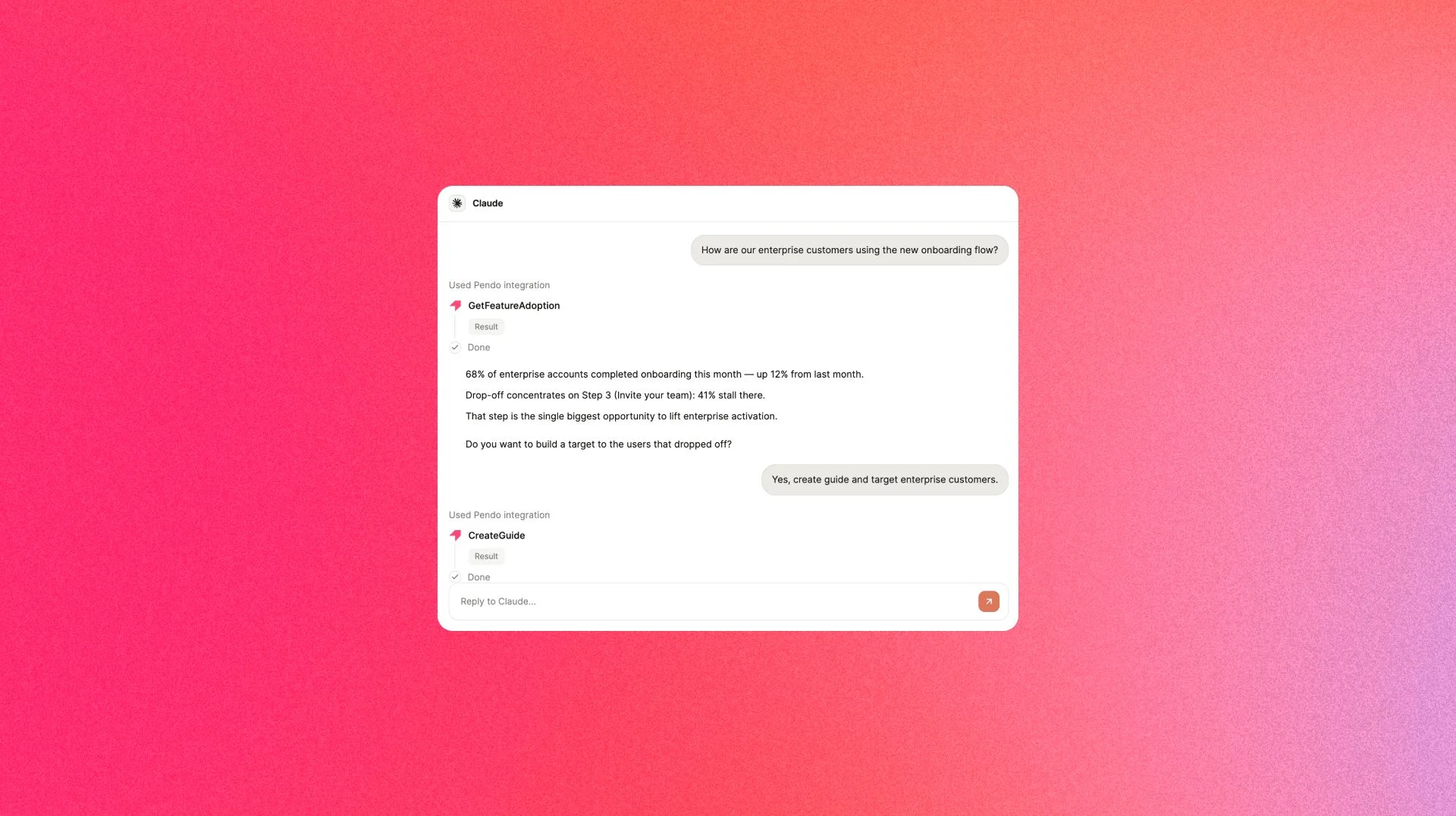
A working app used to represent weeks or months of coordinated effort. With AI, a builder can turn an idea into something people can try in an afternoon. That opens up opportunities for people who previously lacked the time, resources, or technical background to build software.
The work of keeping that software running hasn’t become easier at the same rate. As a recent piece Fast Company reports, more code, frequent deployments, and changing dependencies give teams more potential failures to investigate. A feature that takes minutes to build can leave engineers with hours or days of work after launch.
For product builders, that growing maintenance burden comes with another obligation: keeping the software useful. As releases multiply, teams need to understand where users and agents struggle, decide which problems matter most, and test whether their fixes help.
A faster build should mean more opportunities to learn
The product development lifecycle has always extended beyond launch. Teams discover a problem, validate an approach, build, release, and use the results to inform their next decisions. AI lets builders move through parts of that cycle faster, and often work on several of them at once.
That speed creates room to revisit assumptions sooner. You can put an early version in front of users, learn where your understanding fell short, and try an improvement while the problem is still fresh.
Teams should plan for that learning when they plan the release. Define what a useful outcome looks like, decide how to observe it, and make time to review the results. Otherwise, the pressure to ship the next thing can crowd out the work of improving the last one.
But that opportunity depends on following through. A team that celebrates the release and moves on to its next idea leaves the most useful evidence about the product unexplored. Users are now trying get value from the product. Their experience should help determine what the team builds next.
Real use gives you a different view of the product
Once software reaches real users, builders begin learning how well their assumptions hold up. People bring workflows, constraints, and expectations that the team couldn’t fully anticipate in testing. Agents encounter requests and combinations of tasks that stretch beyond the paths their builders designed.
That gap grows harder to manage as teams ship more software and change it more often. Without an ongoing view of what people and agents are doing, builders risk accumulating unresolved problems while adding capabilities on top.
Understanding that experience requires connecting what users say and expect with what users and agents do. Behavioral insights show where work stalls, how agents respond, and whether people complete their tasks. Feedback helps builders understand the reasons behind those patterns.
Those distinctions matter when deciding what needs attention. A completed interaction can conceal an unresolved problem. Strong usage can coexist with repeated corrections and workarounds. Builders need enough context to judge whether an experience is improving and where the next cycle of discovery should begin.
Use what you learn to choose the next improvement
Those findings still require judgment. A builder with AI assistance can respond to a request quickly, but has to decide whether that request deserves attention ahead of other work.
That means considering how often a problem occurs, how seriously it affects users, and how it connects to the outcome the team wants to improve. Resolving a recurring failure in a core workflow may do more for adoption than adding another capability.
Teams can test a proposed fix with a smaller group, compare completion rates, and ask customers about the experience. They should also check for new problems: Does the change reduce manual corrections? Do customers still need support? The results give builders a basis for deciding whether to expand the change or try another approach.
Sometimes the next cycle will mean simplifying an experience or retiring a capability that users don’t value. Lower development costs make it tempting to keep adding, but builders still have to account for the complexity customers inherit with each addition.
The faster teams release software, the more ongoing work they take responsibility for. Continuing through discovery, prioritization, and testing gives them a way to manage that growing burden and keep improving the experience. Launch begins their opportunity to learn from real use; each improvement starts that process again.
Want to put this approach into practice? Start with Dave Killeen’s free Becoming an AI-native product manager course in the Pendo Learning Lab, including lessons on measuring real usage and proving the impact of what you build.