ほとんどのSaaS企業は、解約を最悪の形で知ることになります。それは更新時です。顧客は沈黙し、ログインをやめ、担当者が電話を取る頃には、すでに決断が下されています。
解約予測ツールはこの問題を解決するために存在しますが、すべてが同じ方法で機能するわけではありません。過去のデータからMLモデルを構築するものもあれば、CRMフィールドやサポートチケットから組み立てたヘルススコアに依存するものもあります。リスクを示すだけで止まるものもあれば、その予測を実際に行動できる人々に、すでに使っているツールの中で直接届けるものもあります。
このガイドでは、2026年のSaaSチーム向けに最適な解約予測ツール8選を取り上げ、それぞれの強み、弱み、そしてどのようなチームに向いているかを解説します。
解約予測ツールに求めるべきもの
ツールを比較する前に、何が本当に役立つツールを作るのかについて合意しておくと役立ちます。優れたツールと卓越したツールを分けるのは、通常、次の3つの点に集約されます。
- シグナルの質。 最良の予測は、CRMフィールド、支払い履歴、サポートチケットに加えて、ユーザーが実際に製品とどのようにやり取りするかという行動データから生まれます。製品の使用状況は通常、離脱意向の最も早い指標であり、外部シグナルが現れる数週間前に表面化することが多いです。
- 予測方法。 ルールを自分で定義する設定可能なヘルススコアと、システムがパターンを学習する真のMLモデルの間には、意味のある違いがあります。MLモデルは人間が探そうとも思わないことを検出し、顧客の行動が変化しても誰かがメンテナンスする必要がありません。
- 活性化。 ダッシュボードに存在する予測は、それを確認する人がいる場合にのみ有用です。真のリテンション効果をもたらすツールは、予測をアクション(CRM内、Slack内、またはアプリ内)に結びつけ、適切な人が適切なタイミングで適切なシグナルを、わざわざ探しに行かなくても確認できるようにします。
以下のツールを検討する際に、この3つの基準を念頭に置いてください。
解約予測ツールトップ8の概要
| Tool | Best For | Signal Source | Prediction Type | In-CRM Action | Pricing |
|---|---|---|---|---|---|
| Pendo Predict | Best For Product-led & CS teams | Signal Source Product behavioral data | Prediction Type ML model | In-CRM Action ✅ Via integrations (Salesforce, HubSpot, Slack) | Pricing Custom |
| Gainsight | Best For Enterprise CS teams | Signal Source CRM + conversation intelligence | Prediction Type AI health scoring | In-CRM Action ✅ Via playbooks | Pricing Enterprise (custom) |
| ChurnZero | Best For Mid-market SaaS CS | Signal Source Product usage + CRM | Prediction Type Real-time health score | In-CRM Action ✅ Via automation | Pricing Custom |
| Totango | Best For Growing CS programs | Signal Source Product + CRM | Prediction Type Configurable health score | In-CRM Action ✅ Via SuccessBLOCs | Pricing Custom (free tier available — confirm at publish) |
| Planhat | Best For CS-led revenue teams | Signal Source CRM + product integrations | Prediction Type Health scoring | In-CRM Action ✅ Via integrations | Pricing Custom |
| Vitally | Best For Mid-market B2B SaaS | Signal Source Product + CRM | Prediction Type Health scoring | In-CRM Action ✅ Via integrations | Pricing Custom |
| Pecan AI | Best For Data-mature teams | Signal Source Historical customer data | Prediction Type ML model | In-CRM Action ⚡ Requires downstream setup | Pricing Enterprise (custom) |
| Zendesk | Best For Support-first teams | Signal Source Support interactions | Prediction Type AI sentiment analysis | In-CRM Action ✅ Via Zendesk workflows | Pricing Per-agent tiers |
チャーン予測ツールのトップを詳しく見る
1. Pendo Predict — 製品データがCRMアクションと連携
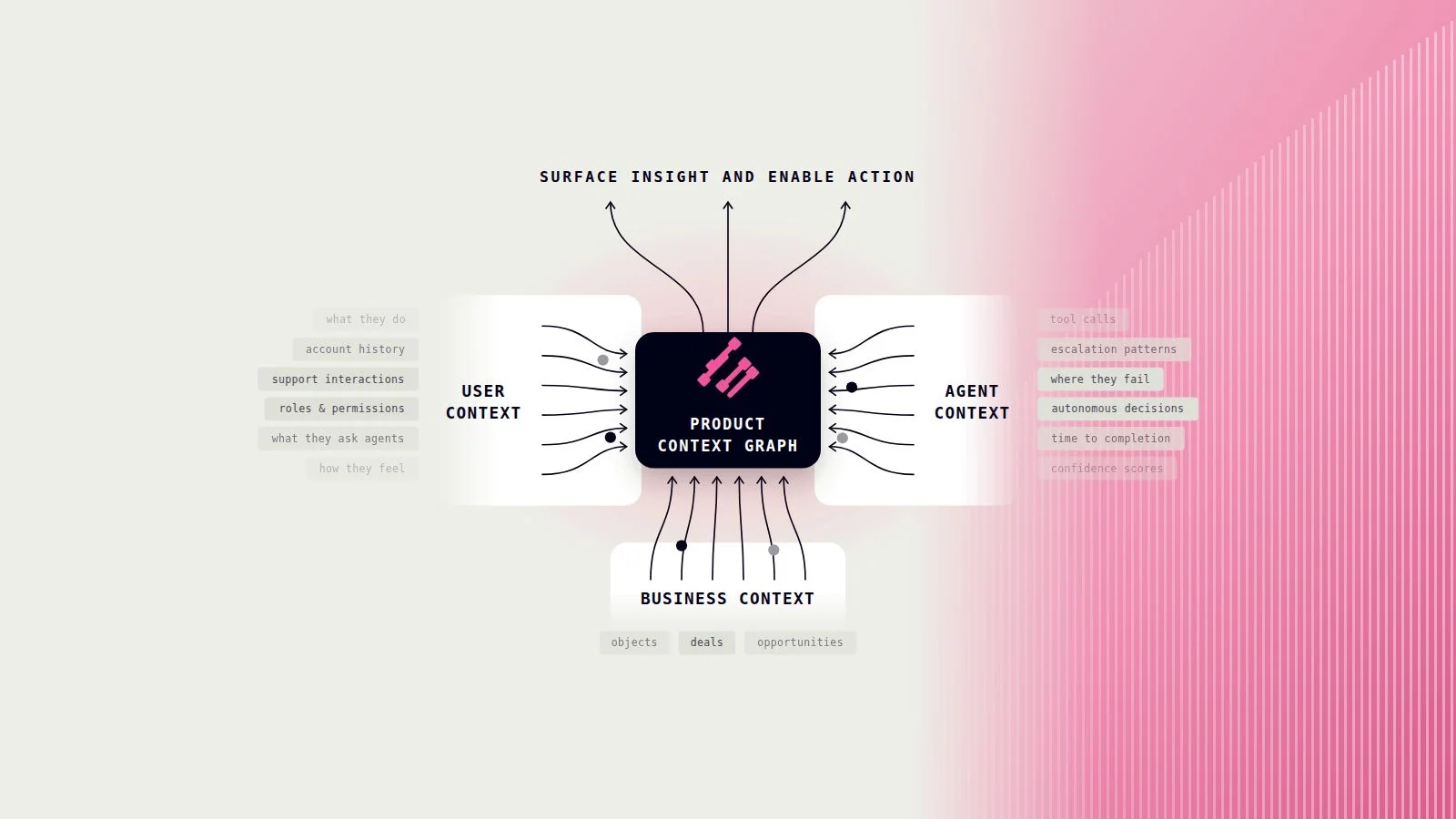
Pendo Predictは、このリストに挙げられているほとんどの解約予測ツールとは異なるアプローチを採用しています。CRMフィールドやサポートチケットの上に予測モデルを重ねるのではなく、製品の行動データ——実際のクリック、セッション、ワークフロー、およびアプリケーション内で発生する機能のインタラクションを分析し、解約または更新につながる行動パターンを学習するMLモデルを構築します。
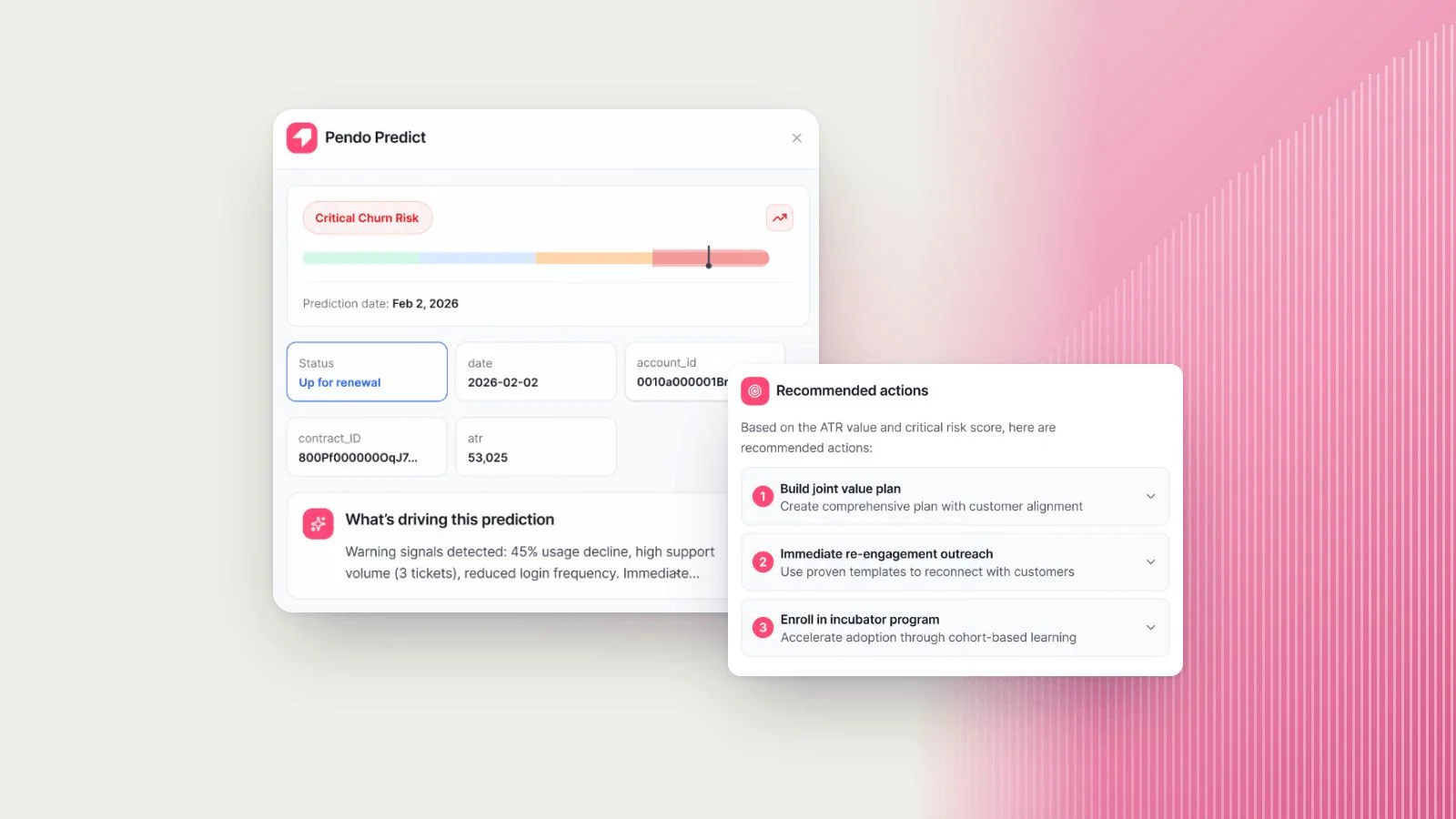
重要なのは、すべてのリスクスコアに、その要因を人間が読める形で説明する情報が付随している点です。解釈を必要とする数字ではなく、どの行動が変化したのか、そしてそれがなぜリスクを示すのかを明確に説明しています。担当者が推測する必要はありません。スコアのすぐ隣に根拠が示されています。
Predictがダッシュボードと異なる点は、予測AIエージェントとして機能することです。社内のリテンションプレイブックを読み込み、各アカウントの具体的な状況に合った次のステップを照合し、その推奨事項をSalesforceまたはHubSpotに直接表示します。顧客のリスクスコアが変化すると、まだ間に合うタイミングで — Slackアラートが通知されます。行動する時です。
そこからPredictは、リスクレベル別にダイナミックセグメントを構築し、Pendoのより広範なプラットフォームを活用できるようにします。プロダクトチームはアプリ内ガイドを展開してリスクの高いアカウントからフィードバックを収集し、Pendo Listenを使用して既存のフィードバックから定性的なシグナルを引き出すことができます。また、マーケティングチームはターゲットを絞った再エンゲージメントコミュニケーションをトリガーできます — これらはすべて同じ基礎となるリスクデータです。予測から診断、アクションへと続くループであり、単独のカスタマーサクセス(CS)プラットフォームでは再現できません。
Predictはチャーン防止に限定されません。リスクのあるアカウントと並んで拡張準備が整ったアカウントも表示し、プロダクトの行動シグナルがパイプラインに現れる前に、収益チームがアップセルの機会を把握できるようにします。また、分析レイヤーとしてPendoを必要としません。Predictはあらゆる分析プロバイダーと連携するため、チームはすでに別のプロダクトアナリティクスツールを使用している場合でも、スタックを切り替えることなく行動データを取り込み、予測を得ることができます。
最適な対象: チャーン予測を活用してアクションにつなげたい、プロダクト主導またはCS/営業のハイブリッドモーションを持つSaaS企業。
2. Gainsight — エンタープライズCSの深さとプレイブック自動化
Gainsightはエンタープライズ向けカスタマーサクセス分野における既存の主要プレイヤーであり、そのチャーン予測機能は、CSM主導の大規模組織向けに長年にわたって磨き上げられてきました。Horizon AIレイヤーは、GainsightのコアとなるCSワークフロー、プレイブック、更新管理機能に加え、予測的ヘルススコアリングとリスクシグナルを提供します。Staircase AIの買収により、また、会話インテリジェンスも取り入れ、メール、通話、サポートスレッドを分析して不満の早期兆候を検出しました。
数百の指名アカウントを専任CSMで管理する大規模エンタープライズチームにとって、Gainsightの深さは他の追随を許しません。そのトレードオフは複雑さです。導入には相当な労力が必要であり、プラットフォームの機能を最大限に活用するには、設定・維持を担うRevOpsリソースを持つチームが最も適しています。予測はGainsightが定義したAIヘルススコアリングに依存しており、入力に基づいており、自己学習型MLモデルではないため、予測の品質はチームがスコアリングルールをどれだけうまく設定しているかに部分的に依存します。
最適な用途: 専任のCSM、複雑なプレイブック、およびプラットフォームをフル活用するためのRevOpsサポートを備えた大規模エンタープライズCSチーム。
3. ChurnZero — SaaS CSチーム向けリアルタイムリスクスコアリング
ChurnZeroは、サブスクリプションおよびSaaSビジネス向けに特化して構築されており、それが随所に表れています。ChurnScore(顧客の行動変化に応じてリアルタイムで更新されるヘルス指標)は、プラットフォームのアラート、自動化、およびプレイブックロジックの大部分を駆動しています。製品の使用状況データは、インテグレーション経由で接続された場合に最優先の入力として扱われ、プラットフォームはアプリ内アカウントがリスクシグナルを示した際に直接顧客介入を行うためのメッセージング。
ChurnZeroは、エンタープライズ級プラットフォームの設定負荷を望まないミッドマーケットのCSチームにとって、深さと使いやすさの実用的なバランスを実現しています。そのワークフロー構造は、小規模チームが迅速に価値を得られるよう適度に整備されていますが、規模が拡大するにつれて制約を感じることもあります。CSプログラムがスプレッドシートや手動チェックインを超えて成熟しつつあるチームにとって、これは大きな前進です。
最適な対象: フルのRevOps実装を必要とせずに立ち上げられる自動化機能を備えた、目的特化型のチャーン管理プラットフォームを求めるミッドマーケットのSaaS CSチーム。
4. Totango — 成長するプログラムのための柔軟なCSフレームワーク
Totangoは、SuccessBLOCsを中心に顧客成功ワークフローを構成しています。SuccessBLOCsとは、オンボーディング、リテンション、エクスパンション、アドボカシーをカバーするモジュール式のプリビルドプログラムテンプレートです。これらは予測エンジンではなく、自動化とプレイブックのフレームワークであり、設定したヘルスシグナルに基づいて、どのアクションをいつ実行するかを定義します。これにより、Totangoは特にRevOpsの深い関与がなくても、構造化されたCSプログラムを迅速に立ち上げることができます。
チャーン予測レイヤーは独立しています。TotangoのMLエンジンはUnisonであり、同社によるParative AIの買収を経て2024年末にリリースされました。Unisonは顧客データから予測モデルを構築し、チャーンリスクや拡大シグナルを特定します。これはSuccessBLOCの自動化レイヤーの下位に位置し、それを置き換えるものではありません。この組み合わせ — MLによるリスク検出がプリビルドのCSプレイブックに連携される仕組みこそが、このプラットフォームのアーキテクチャをシンプルなヘルススコアツールと一線を画すものにしています。
最適な対象: 初めて専任のCSプログラムを構築している成長中のSaaS企業、またはゼロから始めるのではなく、時間をかけてカスタマイズできる既製のフレームワークを求めるチーム。
5. Planhat — 収益の可視性を備えたモダンなCS管理
Planhatは、純粋なCSツールというよりも顧客プラットフォームとして自らを位置づけており、ヘルススコアリングやリテンション管理に加え、収益指標、NRR予測、エグゼクティブレポーティングに強く重点を置いています。そのヘルスモデルは、プロダクトデータ、CRMシグナル、手動入力を取り込み、CSチームが一貫して高く評価するクリーンでモダンなUIを備えています 日常的な使いやすさのために。
Planhatが差別化されているのは、CS管理と商業的な可視性の組み合わせにあります。これにより、CSが収益の重要な部分を担い、リーダーシップが更新および拡大の健全性を明確に把握する必要がある組織に適しています。予測はMLではなくヘルススコアに基づいており、統合から供給されるデータに依存しています ネイティブ製品インストルメンテーションではなく。
最適な用途: カスタマーサクセスが直接的な収益責任を持ち、リテンション管理と拡大パイプラインの可視性を一か所で必要とする、CSリードのSaaS企業。
6. Vitally — B2B SaaS向けの合理化されたCSツール
Vitallyは、カスタマーサクセス管理に対してシンプルで明確なアプローチを採用しています。ドキュメント、タスク、ヘルススコア、アカウントインテリジェンスがすべて単一のワークスペースに集約されており、既存のプラットフォームが断片的すぎたり複雑すぎて一貫して使いこなせないと感じているCSチームにとって、強力な選択肢となります。そのヘルススコアリングは、インテグレーション、そしてこのプラットフォームは最近のリリースでAI支援機能を拡張しています。
Vitallyは、専用のCSツールを初めて導入する中堅市場のB2B SaaS企業に特に適しています。チームは、より確立されたプラットフォームと比較して、価値実現までの時間の速さとUXの品質を頻繁に評価しています。一方で、深い設定が必要な非常に複雑なマルチプロダクトのアカウント構造を持つ組織には適していませんエンタープライズ層プラットフォームの機能。
最適な対象: 専用CSツールを初めて導入するミッドマーケットのB2B SaaSチーム、またはスプレッドシート・Slack・CRMに分散したCSワークフローを単一のワークスペースに統合したいチーム。
7. Pecan AI — データサイエンスチームなしでデータサイエンスレベルの予測を実現
Pecan AIは、上記のCSプラットフォームとは異なるカテゴリーに位置します。これは専用の予測分析プラットフォームであり、その主な出力は、自動化された機械学習を使用して過去のデータから構築された解約予測モデルです。設定にデータサイエンスの専門知識は不要です。ヘルススコアツールとは異なり、Pecanはパターンを学習するモデルを構築します。実際の成果から学習します。事前にルールを指定する必要はありません。
トレードオフとして、Pecanは予測レイヤーであり、アクティベーションレイヤーではありません。リスクスコアとモデル出力を生成し、アクションのためにCRM、CSプラットフォーム、またはデータウェアハウスなどのダウンストリームにルーティングする必要があります。担当者に何をすべきかを指示したり、プレイブックをネイティブにトリガーしたりする機能はありません。既存のダウンストリームインフラを持つデータ成熟度の高い組織にとっては、および予測精度をCSツールとは独立して向上させたいというニーズがあるチームにとっては、強力な選択肢です。予測とアクションを1つのプラットフォームで実現する必要があるチームにとっては、運用化するために相応の追加ツールが必要になります。
最適な対象: 高精度のMLベースの解約モデルを求め、その結果に基づいて行動するための既存インフラを持つ、データ成熟度の高いSaaSまたはエンタープライズチーム。
8. Zendesk — サポートレイヤーからの解約シグナル
Zendeskはチャーン予測に独自のアプローチをとっています。そのシグナルは主にカスタマーサポートのインタラクションから得られます。Spotlight AI機能は、不満を示す問題のあるチケットや会話を特定し、AIを活用した品質保証により、サポートインタラクション全体を分析して、リスクのあるセンチメントをscale. 大量のサポートを管理するチームにとって、この幅広いカバレッジは真に価値があります。
核心的な限界は、サポートデータが遅行指標であるという点です。顧客がリスクのあるサポートチケットを生成し始める頃には、そのリスクはすでにしばらく前から蓄積されていることが多く、多くのSaaSビジネスでは、最も静かに解約する可能性が高い顧客は、チケットを最も多く生成している顧客ではなく、最も少ない顧客です。リテンションを課題が主にサービス上の摩擦ではなく製品の離脱によって引き起こされている企業にとっては、Zendesk のチャーン予測機能は上記の選択肢と比べて限定的に感じられるでしょう。
最適な用途: カスタマーサポートの体験がリテンションリスクの主な要因であり、サポートおよびCSのワークフローがすでにZendeskに集約されている企業。
適切なチャーン予測ツールの選び方
適切なツールは、チャーンシグナルがどこに存在するか、そしてチームがどこでそれに対応する必要があるかという2つの点によって決まります。
チャーンの原因が、静かなプロダクトの離脱——アカウントがひっそりと使用する機能を減らし、ログイン頻度が下がり、期待される成果に到達できていない——にある場合、行動データを起点として予測を既存のシステム内の収益チームに結びつけるツールが必要です。CSプラットフォームのダッシュボードにあるヘルススコアだけでは、行動を変えることはできません 担当者が確認しなければ十分に速くありません。
専用のプレイブックと体系的な更新ワークフローを備えた、CSMを中心とする大規模なエンタープライズ向けビジネスを運営している場合、GainsightやChurnZeroのようなプラットフォームがCSモーションの適切なオペレーティングシステムとなり得ます。その場合、予測機能はより大きなオーケストレーションの中の一つのレイヤーとなります。
データが豊富で、CSツールに依存しない真に精度の高いMLモデルを構築したい場合、Pecan AIは検討に値します — ただし、その出力結果に基づいて行動できるダウンストリームのインフラが整っていることが前提です。
しかし、ほとんどのSaaSチームは、複数のツールを必要とせず、シグナルからアクションまでのループを完結させる単一のプラットフォームを求めています。それを実現するプラットフォームの数は限られており、 Pendo Predictはまさにそのために構築されています。
→ Pendo Predict が製品の使用データを収益アクションにつなげる方法をご覧ください: デモを入手する