Table of Contents
What is a product roadmap?
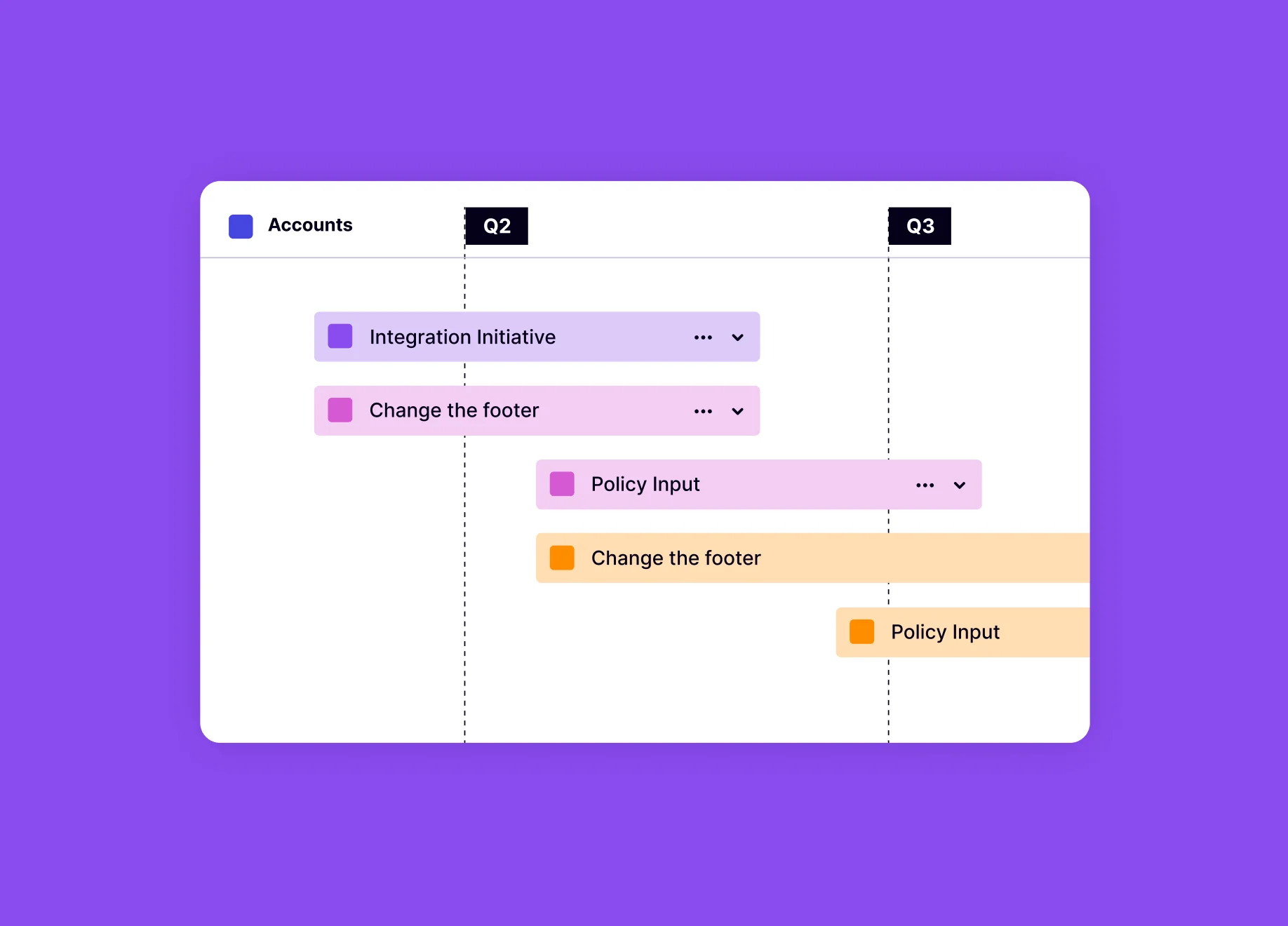
A product roadmap is a visual summary of a product’s direction to facilitate communication with customers, prospects, partners, and internal stakeholders.
Roadmaps outline the intended direction of a product and its key features and future initiatives, all informed by user research and stakeholder feedback.
For product-led organizations, a product roadmap’s primary purpose is to define, communicate, and guide the direction that product development will take in the foreseeable future—facilitating the success of said development efforts to deliver on the expectations of all interested parties. Where digital transformation via software products is concerned, such roadmaps apply equally to software developed for internal use or sale to external consumers.
The product roadmap document(s) maps out and guides your product’s vision, intended direction, and priorities over time.
By creating a roadmap, you can ensure all teams are aligned on product goals, effectively communicate plans to stakeholders, and prioritize features that deliver the most value to users. Ultimately, a well-crafted product roadmap fosters a collaborative and strategic approach to product development, leading to a more successful outcome.
How is a product roadmap used?
Rather than a statement of commitment or a detailed “contract,” a product roadmap signals general product direction as currently intended and understood, yet it must be able to shift with changes in market and business conditions. In this spirit, product-led organizations should see a product roadmap as a living document, a snapshot in time that is subject to frequent change. The more distant the time horizon, the less reliable the commitments.
For example, roadmap items three months out may be relatively close to committed, while the six-, nine-, and twelve-month horizons become progressively lower confidence. Likewise, the level of detail provided in the roadmap decreases as the time horizon gets longer. For earlier horizons (closer to the present), the roadmap offers a more specific view of features and functionalities. In contrast, later horizons (further in the future) present a broader thematic overview of what’s to come.
4 better business outcomes powered by Pendo
How is a product roadmap different from a project plan?
While both are vital tools in product development, product roadmaps and project plans serve distinct purposes with varying levels of detail. Product roadmaps take a high-level perspective, focusing on the product’s overall vision and strategic themes rather than getting bogged down in the granular details.
Product roadmap
A product roadmap provides a big-picture view of the product’s direction and strategic themes. It focuses on the “what” and “why” of future development, outlining long-term goals and initiatives. Think of it as a compass guiding the product’s journey.
- Focus: Vision and themes
- Detail: Broader
- Timeline: Long-term
- Audience: Wider – internal & external
Project plan
In contrast, a project plan zooms in on the specific details of executing a single project within the roadmap. It defines the “how” of achieving a particular goal, outlining tasks, timelines, resources, and dependencies required for completion. It’s like a detailed map of a particular city within the roadmap’s country.
- Focus: Task execution
- Detail: Highly detailed
- Timeline: Short-term for specific features
- Audience: Internal – project team
While product roadmaps are typically high-level, they allow you to adjust the detail you present for different audiences. For example, customers might see a simplified roadmap with the overall vision, while internal teams might require more specifics.
Why are product roadmaps essential for successful product development?
Product roadmaps serve as a foundational element for successful product development. A well-defined roadmap provides strategic direction, ensures clear communication across teams, and promotes alignment around product goals—all critical for effective change management. A well-defined roadmap fosters a strategic approach to building a product that delivers value to users and achieves business objectives.
Strategic direction: Like a compass, product roadmaps define the product’s overall vision and establish a clear path for achieving long-term goals. This definition ensures everyone aligns on the product’s direction and working towards the same objectives (such as delivering an exceptional user experience).
Clear communication and collaboration: The roadmap acts as a central communication hub, fostering transparency and understanding across all teams. Everyone has a shared sense of product priorities, upcoming features, and timelines, eliminating confusion and promoting a collaborative approach to development.
Alignment around product goals: By visualizing features and initiatives on the roadmap, you can make informed decisions about what to build first. Using a prioritization framework will help you focus development on features that deliver the most value to users and the business while de-prioritizing less critical ones.
What are the core functions of a product roadmap?
Think of a product roadmap as a compass guiding your product’s journey. It defines the product’s overall vision, outlines key features and initiatives, and establishes a timeline for development. Roadmaps serve several important functions:
Communication
A roadmap acts as a central source of truth, facilitating clear communication across teams (product, development, marketing, etc.) by providing a shared understanding of:
- Product vision: Everyone knows and can align on the long-term direction and goals of the product.
- Feature priorities: Teams understand which features are most important to focus on at different stages.
- Initiative timelines: Different departments can plan their work based on the roadmap’s timeline for upcoming features and initiatives.
Planning
The roadmap helps you plan and prioritize features based on strategic objectives and user needs. For example, you can use the roadmap to:
- Align with business goals: Ensure features contribute to achieving the overall business objectives.
- Address user pain points: Prioritize features based on user feedback and data gathered through tools like Pendo Listen.
- Plan resources: Allocate resources effectively based on the roadmap’s prioritized features and timelines.
Prioritization
By visualizing the roadmap, you can make informed decisions about what to build first and what can wait, allowing you to:
- Focus on high-impact features: Prioritize features that deliver the most value to users and the business.
- Manage dependencies: Identify dependencies between features and plan development accordingly.
- Adapt to change: Be flexible and adjust priorities to reflect market shifts or user expectations and feedback.
Who uses product roadmaps?
Product roadmaps are valuable tools for teams and stakeholders involved in the product development lifecycle both inside and outside the enterprise.
Product managers: Product managers rely on the roadmap to define the product vision, prioritize features based on user needs and strategic objectives, and communicate progress to internal and external stakeholders.
Developers: The roadmap provides insight into upcoming features and dependencies between them, allowing development teams to plan better, allocate resources effectively, and anticipate and address potential challenges.
Designers: Understanding the product vision and feature priorities outlined in the roadmap helps designers make informed design decisions that align with the overall product strategy.
Marketers: Marketers can use the roadmap to align marketing campaigns with upcoming product initiatives to create more targeted messaging and plan product launches effectively.
Executives: Executives gain a high-level view of the product’s direction and future through the roadmap to help them assess the product’s alignment with business goals and make strategic decisions.
External parties: Product roadmaps aren’t solely for internal use. Business partners, resellers, and customers benefit from knowing “what’s coming up.” This transparency allows partners to prepare their teams (developers, sales, marketing) for upcoming product changes. It also helps customers anticipate how upcoming changes might impact their users and internal processes, allowing them to plan their migration strategy and ensure a smooth transition.
What are the two different types of product roadmaps?
There are two main types of product roadmaps, each serving a distinct purpose:
Internal roadmaps (detailed for team communication): Internal roadmaps are typically more granular, outlining specific features, user stories, and development timelines. They are intended for internal use by development teams and product managers. Subtypes of internal roadmaps can include development roadmaps focusing on technical initiatives or marketing roadmaps detailing marketing campaigns aligned with product launches.
External roadmaps (high-level, for customer communication): Shared with customers and the public, external roadmaps provide a broader view of the product’s future direction and the benefits of upcoming features. They should avoid specific deadlines or feature details, focusing on the overall product vision.
What should I include in my product roadmap?
Your product roadmap should provide internal and external stakeholders with a comprehensive overview of your product’s future. Here are four key elements to consider:
- Goals and objectives: Clearly define your overarching product goals and objectives. Aligning these goals with user needs identified through Voice of the Customer (VoC) research ensures you’re building features that truly address user pain points.
- Initiatives and themes: Break down your product goals into larger initiatives or themes. These initiatives should be informed by product discovery using tools like Pendo Listen. Pendo Listen captures and analyzes user feedback to identifies opportunities of improvement. By understanding user behavior and feedback, you can ensure your initiatives target the right areas for improvement.
- Features and epics: For internal roadmaps, further break down initiatives into specific features or epics (large user stories) that deliver user value.
- Timeline: Establish a timeline for your roadmap. While specific dates can be helpful for internal planning, consider using ranges or milestones for external communication to maintain flexibility and adapt to changing circumstances.
What common mistakes should I avoid when creating a product roadmap?
Even the best intentions can lead to roadmaps that miss the mark. Here are some common mistakes when creating a product roadmap and how to avoid them.
- Treating it as a feature list: Your roadmap shouldn’t be a laundry list of every desired feature. Focus on the “why” behind features, outlining the goals and user problems they aim to solve.
- Lack of user focus: Don’t build in a vacuum! Make sure your roadmap reflects user needs and priorities. Gather user feedback through tools like Pendo Listen to understand users’ pain points.
- Unrealistic timelines: Setting overly ambitious deadlines can lead to frustration and missed expectations. Be realistic about the time and resources needed to develop features.
- Inflexibility: The software landscape is constantly evolving. Avoid creating a rigid roadmap that can’t adapt to changing market conditions, user feedback, or new opportunities.
- Poor communication: A roadmap is only valuable if everyone understands it. Regularly communicate updates to keep all stakeholders aligned, using visuals and avoiding excessive jargon to keep everything clear.
- Neglecting dependencies: Not considering dependencies between features (or other project initiatives) can lead to development road blocks. Identify and plan for dependencies to ensure a smooth development process.
- Ignoring stakeholder input: While end-user focus is crucial, don’t neglect input from internal or partner sources. Consider the needs of different stakeholders like sales and marketing teams but prioritize based on user needs and business goals.
- Lack of prioritization: Giving all features equal priority leads to a scattered development effort. Apply user analytics, Voice of the Customer data, and feature prioritization frameworks to focus on features that deliver the most value.
- Overlooking the big picture: Don’t get bogged down in too much detail. Maintain a focus on the overall product vision and strategic direction while outlining your roadmap.
By being aware of these common mistakes, you can create a product roadmap that is clear, actionable, and sets your product up for success.
How can I prioritize roadmap items using Voice of the Customer data?
Prioritizing your product roadmap by leveraging Voice of the Customer (VoC) data is crucial for focusing on features that deliver the most value to users. Various tools and techniques can help guide your decision-making, including the following:
Prioritization frameworks like MoSCow (Must-Have, Should-Have, Could-Have, Won’t-Have) or RICE (Reach, Impact, Confidence, Effort) can help you evaluate roadmap items. These frameworks weigh factors like user value, development effort, and business impact.
Tools to collect and analyze VoC Data can play a critical role in prioritizing roadmap items. For example, Pendo Listen can gather and analyze VoC data with features like user feedback surveys, session recordings, and heatmaps, providing you with valuable insights into user needs, pain points, and feature requests. Integrating VoC data into your prioritization process ensures you build features that directly address user problems.
Balancing short-term wins with long-term vision is critical. While addressing immediate user needs, you must keep your long-term product vision in mind. Consider prioritizing a mix of short-term wins (e.g., bug fixes) that improve user experience and more significant features that align with your long-term goals as informed by VoC insights.
How can product discovery inform roadmap development?
Product discovery is a crucial step before building features. It involves understanding user needs and pain points to ensure you’re developing features that solve real problems. Here’s how product discovery informs roadmap development:
Understanding user needs: Before building anything, you must understand what your users actually need. Pendo Listen empowers product discovery by facilitating user research, analyzing usage patterns, and identifying areas for improvement. Uncovering behavior patterns and pain points lets you to craft a roadmap flush with features that directly address users’ actual wants and needs.
How do I keep my product roadmap up to date?
A healthy product landscape is constantly evolving, so follow these suggestions to keep your product roadmap current, relevant, and up-to-date.
Regular reviews: Schedule periodic reviews of your roadmap (e.g., quarterly) to reflect changes in the market, user feedback, and business goals.
Adapting based on learnings: As you gather new data and insights from user feedback and product usage data by leveraging tools like Pendo Listen, don’t be afraid to adjust priorities or timelines accordingly.
Maintaining flexibility: Over the life of any software product, unforeseen circumstances can (and will) arise. Your product roadmap must be flexible to accommodate these situations and ensure you and your product are agile enough to respond quickly to change.
What are the best practices for creating a clear and effective product roadmap?
A well-crafted product roadmap is easy to understand, keeps everyone aligned, and adapts to changing circumstances. Here are four best practices to follow:
- Clarity and simplicity: Keep your roadmap clear and concise. Use visuals and avoid excessive jargon to ensure everyone can understand the roadmap’s key points.
- Focus on the big picture: While outlining key milestones, prioritize the overall product vision and strategic direction over excessive detail.
- Embrace flexibility and adaptability: The product landscape is dynamic. Be prepared to adapt your roadmap based on new learnings or changing priorities.
- Consistent (and continuous) communication: Effectively communicate roadmap updates with all stakeholders. This transparency fosters buy-in and keeps everyone on the same page.
How do companies manage their product roadmaps?
There are lots of commercial tools for creating and managing product roadmaps. Pendo provides some capabilities in this area, as do vendors, including Aha!, ProdPad, ProductBoard, ProductPlan, and others.
Many companies still create and manage product roadmaps using general-purpose tools like PowerPoint and Confluence, but often find this to become unwieldy as the documents are updated over time and adapted for different audiences. Black Diamond, for example, used Pendo Feedback to completely redesign their road-mapping and customer feedback collection process, doing away with antiquated spreadsheets and adding a layer of automation.
What should I look for in a product roadmap tool?
Product roadmap tools offer numerous advantages for managing and visualizing your roadmap. Here’s what they should offer to provide you with the best possible experience creating and managing your roadmap.
Improved organization and visualization capabilities: Roadmap tools should provide a dedicated space to organize your roadmap information, making it easier to visualize timelines, dependencies, and feature details.
Collaboration features: Your roadmap tools should offer features that facilitate team collaboration, allowing for real-time updates and discussions around the roadmap.
Integration with tools that complement roadmap management: Consider using a roadmap tool that integrates simply and directly with product experience platforms to provide product discovery, user feedback, product adoption, and other essential capabilities that Pendo provides. Your roadmap tool should allow you to connect VoC data and usage analytics (such as those available via Pendo Listen) directly to your roadmap, informing your product decision-making and prioritizing features based on user needs.
How can Pendo help me develop my product roadmap and keep it on track?
Pendo Listen helps you perform better product discovery with tools to perform user research, analyze usage patterns, and identify opportunities through features like user feedback and session replays. By incorporating user needs surfaced via Pendo Listen, you can align your roadmap to reflect what truly matters to your users.
- AI-powered feedback analysis: Pendo Listen gathers valuable VoC data to help prioritize what goes into your roadmap. Prioritize features that deliver the most value and address critical user needs.
- Promote ideas to roadmaps: Pendo Listen integrates your roadmaps and feedback data so you can push promising ideas directly into your product roadmaps, and easily add user-driven insights into your planning. You can choose to add these promoted ideas as individual features or group them into initiatives.
- Integrate with other tools: Connect VoC data from your CRM, .CSV files, and product usage into Listen for data-driven decision-making. Visualize user behavior and feature impact alongside your roadmap to inform prioritization and ensure your roadmap reflects real user needs.
By leveraging Pendo’s suite of tools and best practices, you can develop a successful product roadmap that keeps your product on track for long-term success.