Das ist die Erkenntnis, die im Mittelpunkt der Denkweise von Pendo über Pendo Predict, unser KI-gestütztes Predictive-Analytics-Produkt, steht. Und es ist eine Erkenntnis, die das Gespräch völlig verändert, sobald man sie versteht.
Jonathan Rice, ein Datenanalyst im internen Data-Science-Team von Pendo, brachte es in einem kürzlichen Gespräch auf den Punkt: „Ich denke, ein Datenteam mit einem guten Gespür kann ein Abwanderungsmodell entwickeln und hat das wahrscheinlich bereits getan."
Wenn gute Datenteams also bereits prädiktive Modelle erstellen können, wozu dient dann Predict? Es stellt sich heraus, dass das Modell nur ein Teil des Problems ist – und nicht der wichtigste.
Das fehlende Element selbst entwickelter Datenmodelle
Hier ist der Teil des Gesprächs über prädiktive Analysen, der oft übergangen wird: Ein Modell, das in einem Data Warehouse sitzt, rettet keinen einzigen Kunden.
„Das Modell selbst verändert die Ergebnisse Ihres Unternehmens nicht wirklich", erklärte Jonathan. „Es sind die Menschen, die auf der Grundlage der Modellvorhersagen handeln, die tatsächlich etwas verändern."
Datenteams kennen diese Spannung gut. Man verbringt Wochen, manchmal ein ganzes Quartal, damit, etwas aufzubauen, das sich wirklich gut anfühlt. Die Vorhersagen sehen richtig aus. Der Recall ist solide. Und dann... bewegt es einfach nicht den Net Recurring Umsatz (NRR), weil es keinen klaren Weg von „hier ist ein Hochrisiko-Konto" zu „hier ist ein CSM, der etwas dagegen unternimmt" gibt.
Die Frage ist: Wem gehört diese Arbeit? Ist es die Aufgabe des Datenteams, Maßnahmen voranzutreiben, oder geht die Verantwortung an RevOps, Enablement oder Customer-Success-Leiter (CS) über? Die Antwort lautet meist: „Irgendwie sind alle verantwortlich, also ist es letztlich niemand."
Predict wurde entwickelt, um dieses Problem zu lösen – nicht indem das Modell ersetzt wird, sondern indem alles übernommen wird, was nach den Vorhersage-Scores kommt.
Was Predict tatsächlich tut (und was es nicht versucht zu tun)
Predict ist keine Black Box, die behauptet, Ihr Unternehmen besser zu kennen als die Menschen, die täglich darin arbeiten – es ist eine Plattform, die die Zeit zwischen „wir haben ein Modell" und „unser Team handelt danach" erheblich verkürzt.
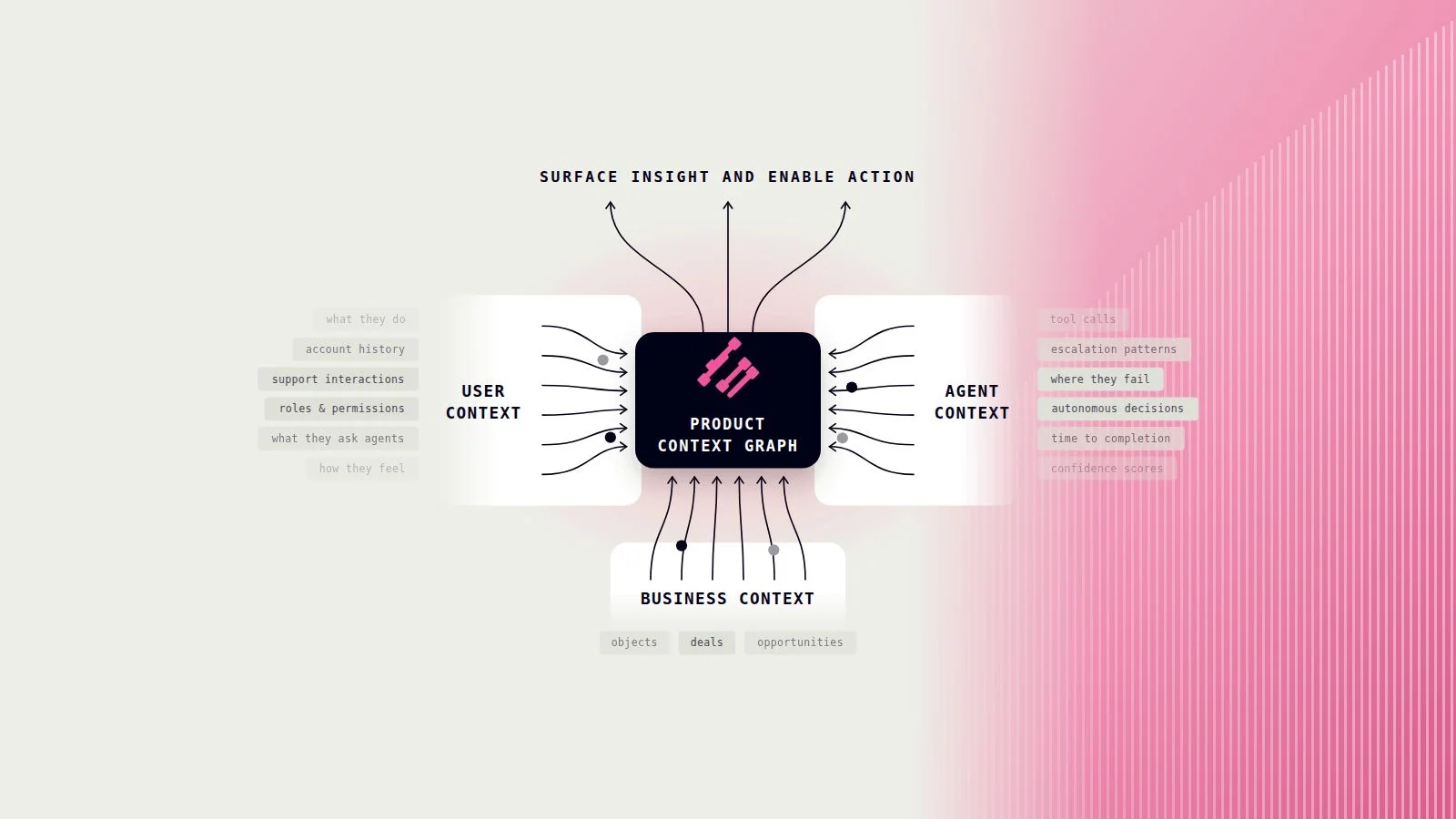
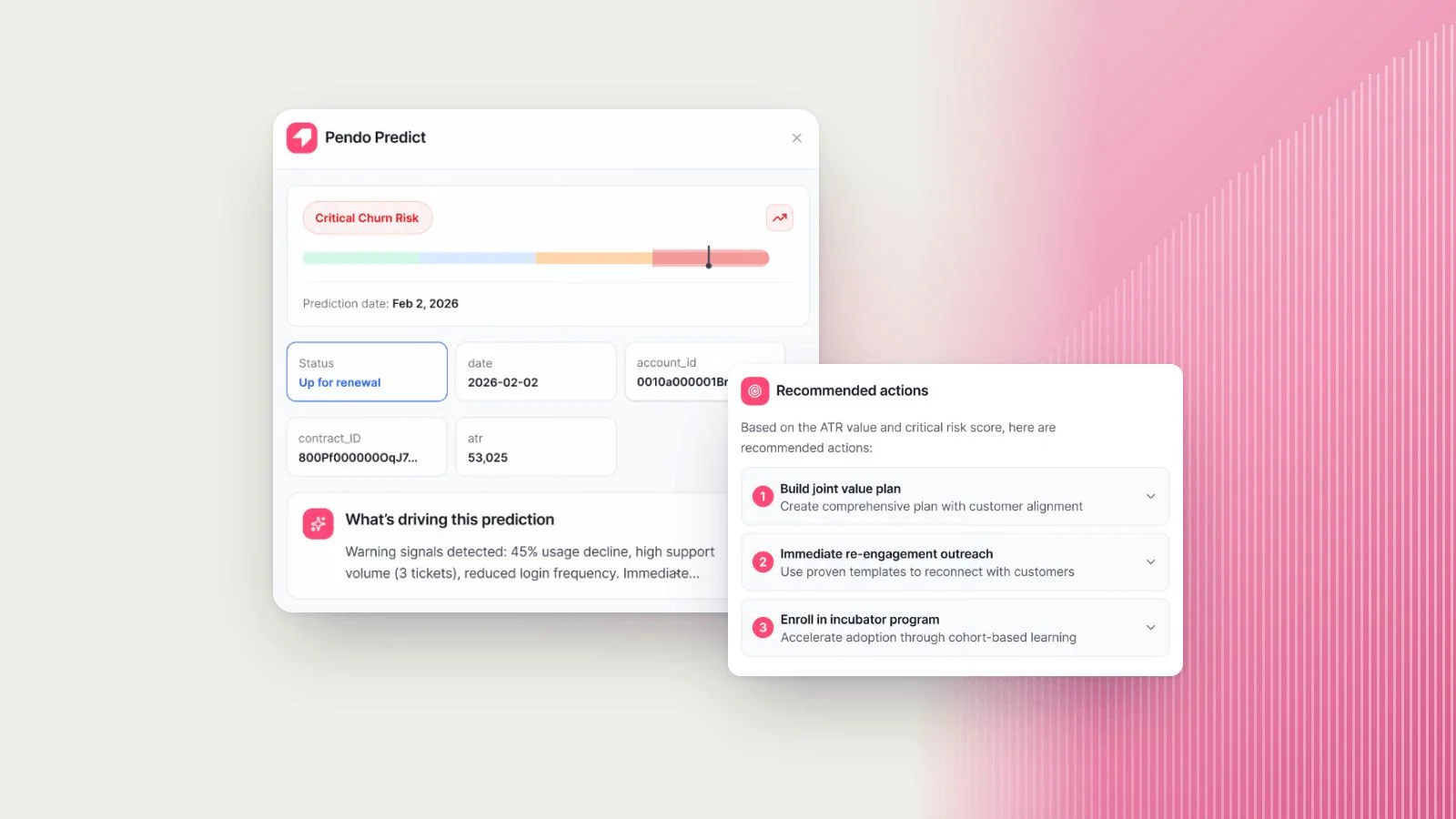
Wo Predict wirklich glänzt, ist in allem, was nach dem Modelltraining passiert: Vorhersagen in Salesforce und Slack (oder wo auch immer Ihr GTM-Team arbeitet) einspielen, Pendo-Segmente aus Score-Stufen erstellen, Playbooks anhängen, damit CSMs wissen, was zu tun ist, wenn ein Konto als Hochrisiko eingestuft wird, und automatisches Nachtrainieren, damit Ihre Scores nicht still und leise veraltet.
Dieser letzte Punkt ist wichtiger, als er zunächst erscheinen mag. Jonathan beschrieb Pendos früheres Abwanderungsmodell als eines, das jahrelang nicht neu aufgebaut oder neu trainiert worden war. Das Unternehmen hatte sich in dieser Zeit erheblich verändert, aber das Modell lief noch immer auf alten Signalen.
„Wir mussten das Modell neu aufbauen", sagte er. „Das Problem war, dass es keine einfache Aufgabe ist. Ein Data Scientist hätte dafür fast ein ganzes Quartal gebraucht."
Predict dreht diesen Zeitplan um. Mit aktiviertem automatischem Neutraining gleicht das Modell die Feature-Gewichtungen kontinuierlich anhand beobachteter Ergebnisse neu aus, sodass Ihre Scores widerspiegeln, wie Ihr Unternehmen heute tatsächlich funktioniert – nicht so, wie es funktionierte, als jemand vor zwei Jahren Zeit hatte, ein Modell zu erstellen.
Die Zeit verschiebt sich, nicht die Arbeit
Vor Predict war die Modellierungsphase nicht unbedingt der längste Teil des Prozesses. Jonathan erläuterte es so: Das Sammeln von Daten und das Erstellen von Features nimmt viel Zeit in Anspruch. Das eigentliche Training des Modells ist schnell. Aber dann herauszufinden, wie man Vorhersagen dorthin bringt, wo sie gebraucht werden, benutzerdefinierten Code zu schreiben, um Scores in Salesforce zu übertragen, oder sie in einem Dashboard anzuzeigen oder einen Slack-Alert auszulösen, dauert wieder sehr lange.
„Predict verändert, wie viel Zeit man in diesen drei Bereichen verbringt", sagte er. „Genau dort sieht man die enormen Zeitersparnisse. Und jetzt können Daten-Teams mehr Zeit und Aufwand in die Erfassung besserer Daten investieren."
Das Pendo-Team erlebte dies aus erster Hand, als es begann, mit externer Datenanreicherung für sein Account-Tiering-Modell zu experimentieren. Sie fragten sich, ob das Einbeziehen zusätzlicher Signale über potenzielle Kunden (z. B. ob ein Unternehmen sichtbar KI einsetzt) die Genauigkeit des Modells verbessern würde. Innerhalb eines Tages nach der Datenerhebung und der Einspeisung in Predict sie hatten ihre Antwort: Ja, es war informativ, und sie veröffentlichten eine neue Version des Modells. Alle nachgelagerten Nutzer erhielten einfach bessere Vorhersagen. Niemand musste wissen, dass sich etwas geändert hatte.
Der Durchbruch für Datenteams
Der wahrscheinlich am meisten unterschätzte Vorteil von Predict ist aus Jonathans Sicht das, was es für die Sichtbarkeit von Datenteams im Unternehmen bewirkt.
„Datenteams müssen ihren ROI kommunizieren", sagte er. „Die Fähigkeit zu zeigen, dass die Modelle, die man entwickelt, und die Maßnahmen, die man daraus ableitet, dem Unternehmen Einnahmen bringen oder Kosten einsparen, ist ein enormer Vorteil für Datenteams."
Er zog einen direkten Vergleich zu dem, was Pendo für Produktmanager leistet: PMs verfügen über ein Tool, das ihnen zeigt, ob die von ihnen entwickelten Funktionen angenommen werden, und das ihnen hilft, diese zu verbessern. Datenteams hatten so etwas bisher nicht. Predict wurde entwickelt, um genau dieses Tool zu sein.
Und da Predict direkt in Pendos umfassendere Plattform integriert ist, einschließlich Segmente, Guides und Orchestrate, ist der Weg vom Modell-Score zur In-App-Aktion ist viel kürzer, als sie wäre, wenn ein Datenteam versuchen würde, all dies selbst zu verknüpfen. Wenn jedes Konto mit einem hohen Abwanderungs-Score automatisch zu einer Pendo Orchestrate-Journey hinzugefügt werden kann und Sie die Interaktion mit diesen Guides und E-Mails genauso verfolgen können wie andere Pendo-Daten, ist die Schleife von der Vorhersage zur Aktion zu Ergebnissen messbar wird.
Möchten Sie sehen, wie Pendo Predict Ihrem Team helfen kann, Vorhersagen in Maßnahmen umzuwandeln? Demo anfordern.