この投稿は、CS Collectiveのウェビナーを基に作成されました。登壇者は Jenna McLaughlin, Pendoのシニアディレクター(GTM & サクセス)、および Jay Nathan、BalboaのCEOです。
私が話すすべてのカスタマーサクセス(CS)リーダーは、プロアクティブなチームを運営したいと考えています。それはすべてのロードマップに、すべてのボードデッキに、すべての採用ピッチに盛り込まれています。しかし、カスタマーサクセスマネージャー(CSM)と一日を過ごすと、業務はいまだにリアクティブです。チケット対応、エスカレーション、QBR準備、更新直前の焦り。意図は5年間普遍的でしたが、現実はほとんど変わっていません。
これはより深く掘り下げる価値があります。なぜなら、それを取り巻くプレッシャーはかつてないほど高まっているからです。
顧客離脱は米国企業に年間 推定1,680億ドルのコストをもたらしており、その数字によって顧客維持はCSチームの職務説明から外れ、CFOの戦略デッキへと移行しています。
新規顧客の獲得コストはかつてより高くなっています。取締役会は収益リーダーに対し、成長だけでなく効率性を示すよう求めています。計算式が変わりました。既存顧客を守り、すでに取引のあるアカウントを拡大することで成長するのです。それがCSチームに課せられたミッションであり、ほとんどのツールはこのために設計されていませんでした。
CSプラットフォームモデルは、もはや存在しない世界のために作られた
過去10年間CSを支えてきたダッシュボードとプレイブックのモデルは、顧客ポートフォリオが管理可能で、更新が予測可能で、チームが手動でアカウントをレビューする時間があった時代には理にかなっていました。
2026年、その世界は消えました。ポートフォリオは拡大し、NRRの目標はより厳しくなり、顧客ベースから発せられるシグナルの量(製品の使用状況、サポートのやり取り、CRMのアクティビティ、請求の変更、ステークホルダーの交代など)は、もはやどのチームも手作業で読み取れるものではありません。それでもほとんどのチームは いまだに 試み続けています。
その結果、私たちが関わるほぼすべてのCS組織に共通する3つの構造的な問題が生じています。
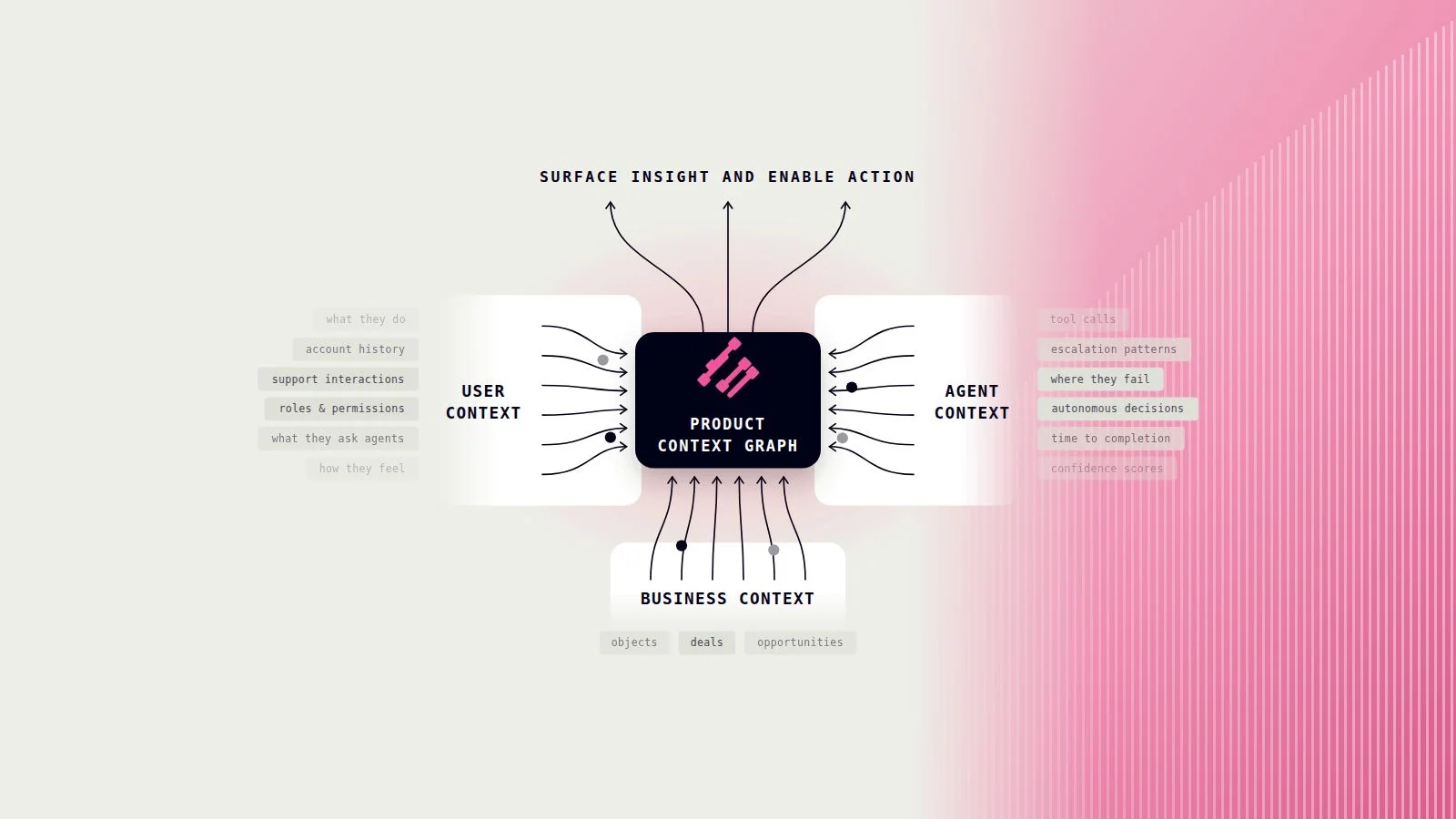
CSMは4〜5つのツールを行き来してアカウントの全体像を組み立てるため、完成した時点でその情報はすでに古くなっています。データは製品、CRM、サポート、請求にまたがって断片化されており、十分な速さでそれをつなぎ合わせる単一のシステムが存在しません。そして最終的に得られるヘルススコアは、数ヶ月前に誰かが書いたルールに基づいて構築され、せいぜい週次で更新されます。赤信号が点灯する頃には、そのアカウントはすでに数週間前に離脱していたのです。
この最大のコストは、実現しなかったすべての「救済」です。警告サインがチームの持つデータの中に存在していたにもかかわらず、誰も気づく時間がなかったアカウントのことです。すべてのCSリーダーは、6週間早く確認しておけばよかったと思うアカウントのリストを頭の中に持っています。それがNRRの低下の背後にある本当の数字です。
静的なヘルススコアは解剖報告書のようなものです。1年前に誰かが書いたルールに基づいて、何が起きたかを教えてくれます。これから何が起きるかは教えてくれません。
これを解決しない4つのこと
変革について話す前に、何が解決策にならないかを明確にしておく価値があります。
- 人員の追加。人員主導のCSは、今日のコスト構造では破綻します。ポートフォリオが拡大し、顧客の期待が加速する中で、プロアクティブであるために採用を続けることは採算が合いません。
- 既存のケイデンスの最適化。QBRスケジュールの強化やヘルススコアの重み付けの改善では、増大するサービス提供コストを相殺したり、AIファーストの顧客ジャーニーにおけるチャーンを防いだりすることはできません。壊れたモデルへの漸進的な改善は積み重なりません。
- アクティビティ指標の追跡。タッチ数、通話数、チケットのクローズ率は、チームが忙しいかどうかを教えてくれます。収益を維持できているかどうかは教えてくれません。レガシー指標はインパクトではなくアクティビティを評価するものであり、取締役会はもはやその2つを混同していません。
- 既存スタックへのAIの後付け。AIをアドオンとして扱うと、その下にある同じワークフローが維持されます。アウトプットは速くなりますが、オペレーティングモデルは変わりません。それは本質的な変化ではありません。
変化は「作業の単位」にあります
旧モデルの作業単位はアカウントレビューです。手動で、週次で、包括的で、そして遅い。CSMは月曜日の朝に80のダッシュボードを開き、全体像を組み立て、対応が必要なアカウントを特定し、作業に取りかかります。水曜日には、その全体像はすでに時代遅れになっています。
新モデルの作業単位はシグナルです。プロダクトの利用状況やリレーションシップの健全性における行動変化が将来の結果を予測し、それが発生した時点で検知され、対応できる担当者にルーティングされます。CSMはダッシュボードのレビューをやめ、シグナルへの対応を始めます。週のスケジュールはその変化を中心に再編されます。
プロアクティブCSを正しく実践するには、3つの要素が必要です。継続的なモニタリング(システムが毎日すべてのアカウントを監視し、CSMがそれをしなくて済むようにする)、コンテキストに基づく優先順位付け(問題は「どのアカウントがリスクにあるか」ではなく「今日最初に電話すべきアカウントはどれか、そしてその理由は何か」)、そしてCRM、Slack、受信トレイなど、チームがすでに使用しているワークフロー内でのアクションの提示です。
AIが実際に適合する場所
AIがこの問題に適している理由は明確です。プロアクティブCSが必要とする作業は、まさに機械学習が得意とすることだからです。
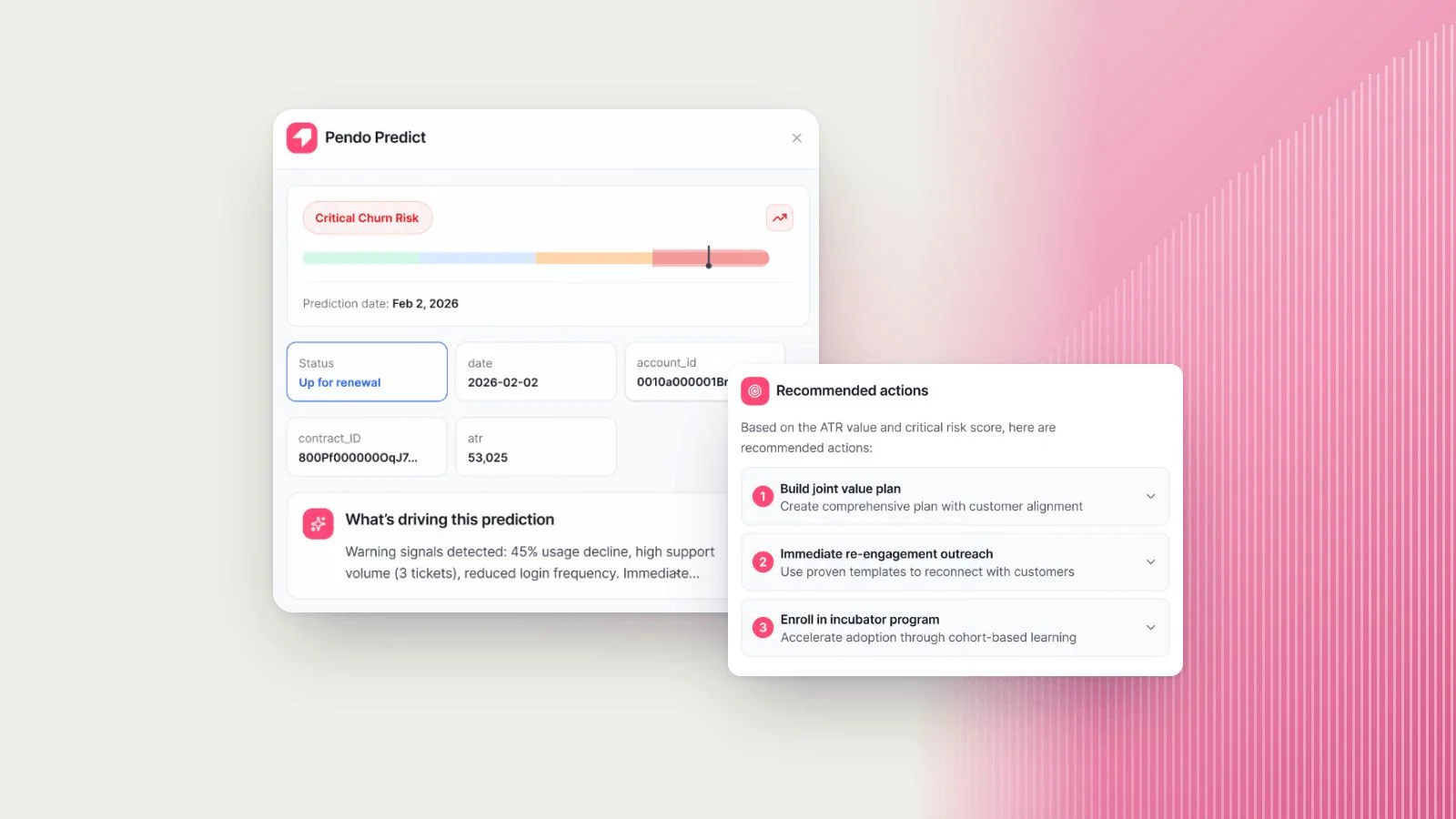
人間のチームがすべてのアカウントを継続的に監視することはできません。モデルならできます。チームがビジネス全体の数百ものシグナルを相互に関連付け、解約を予測する組み合わせを明らかになる前に捉えることも不可能です。MLはこれを、人間がボリューム面で到底かなわない方法で実現します。そして、リスクを検知した次のステップ、つまりスコアに寄与した要因を説明し、対処法を示すことも、AIがアカウントごと・日ごとに大規模に生成できます。
これは、オペレーティングモデルとテクノロジーが合致している稀なケースです。CSチームが問うべきは、自分たちのツールがこのモデルのために作られているのか、それとも旧来のモデルのために作られているのか、という点です。
チームに持ち帰る価値のある3つの質問
次のスタッフミーティングの前に、以下を考えてみてください。
- あなたのチームのCSMは、アカウントに問題が生じていることをどのように把握しますか?また、何日前に警告を受けられますか?
- 明日すべてのCSMの担当アカウント数を2倍にした場合、彼らの週のどの部分が最初に破綻しますか?
- チームが毎週月曜日の朝にダッシュボードではなく優先順位付きのアカウントリストを受け取ったとしたら、何を変えますか?
それらの回答が、あなたが実際にいる場所を教えてくれます。そして、その回答と、あなたが 目指したい 場所とのギャップこそが、取り組むべき課題です。