Probablemente ya tienes puntuaciones de NPS, resultados de CSAT y quizás hasta comentarios de texto abierto de una encuesta de PMF. Los datos existen, pero cuando tu VP pregunta "¿por qué bajó el sentimiento este trimestre?", te quedas armando una historia a partir de intuiciones y anécdotas, porque las puntuaciones por sí solas no te dicen realmente qué ocurrió.
Durante años, los equipos han usado Pendo para ejecutar encuestas de NPS dentro del producto. Pero la mayoría de las empresas no solo ejecutan una encuesta, sino muchas, a menudo en diferentes herramientas, gestionadas por distintos equipos. Producto usa una herramienta, CX usa otra y UX usa algo diferente. Los usuarios reciben demasiadas encuestas, las puntuaciones viven en silos y no hay un único lugar donde todo se integre.
Por eso ampliamos NPS hacia Pendo Sentiment: una forma unificada para que los equipos de Producto, CX y UX ejecuten encuestas estándar de la industria dentro de sus aplicaciones y conecten las respuestas con lo que los usuarios realmente están haciendo.
3 problemas que enfrentan la mayoría de las herramientas de encuestas
La mayoría de las plataformas de encuestas están diseñadas para recopilar puntuaciones, no para ayudarte a entender qué las impulsa ni cómo mejorarlas. Esto es lo que seguimos escuchando de usuarios como tú:
- No puedes controlar a quién le preguntas. Las encuestas se envían a toda tu base de usuarios o se activan aleatoriamente dentro de la aplicación. Alguien que se registró la semana pasada y apenas tocó tu producto recibe el mismo aviso de NPS que un usuario avanzado que lleva dos años contigo. El resultado es datos ruidosos que no representan gran cosa.
- Obtienes una puntuación que te cuesta explicar. Un usuario te da un 4 sobre 10 en CSAT. Genial, ¿y ahora qué? Sin saber qué hizo en el producto antes de responder, o dónde encontró fricción, esa puntuación no te dice mucho.
- No puedes cerrar el ciclo realmente. Incluso cuando el feedback es claro —"este flujo de trabajo es confuso"— actuar sobre él suele implicar exportar un CSV, cambiar a otra herramienta, crear un segmento en otro lugar y esperar recordar hacer el seguimiento.
Qué hace diferente a Sentiment
Sentiment admite encuestas de NPS, CSAT, Product-Market Fit y UX-lite. Pero las plantillas no son lo más importante aquí. Lo que importa es dónde viven esas encuestas y con qué están conectadas.
Pregunta a la persona correcta, en el momento correcto
Dado que Sentiment está construido sobre el motor de segmentación de Pendo, puedes activar encuestas basadas en el comportamiento real dentro del producto. ¿Completó el onboarding? Activa CSAT. ¿Acaba de adoptar una nueva función? Pregunta sobre la UX. ¿Ejecutando una beta? Mide el product-market fit con las personas que realmente lo están usando.
Las encuestas se entregan dentro de la aplicación (y por correo electrónico para NPS), por lo que llegas a las personas mientras la experiencia aún está fresca. Eso significa mejores tasas de respuesta, respuestas más representativas y menos fatiga de encuestas en toda tu base de usuarios.

Conecta las puntuaciones con el comportamiento real
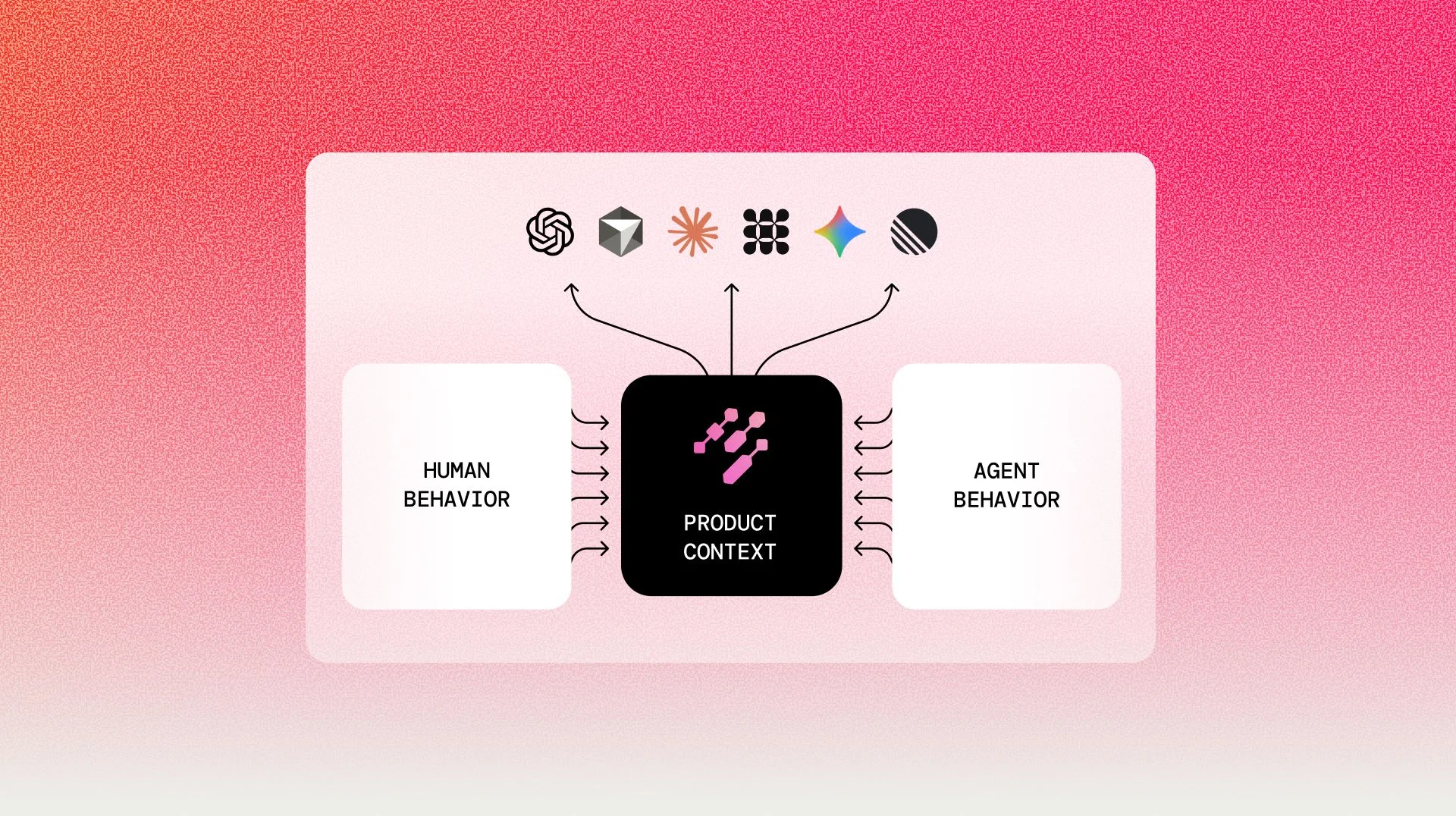
Aquí es donde las cosas se ponen interesantes. Cada respuesta de encuesta en Sentiment se vincula automáticamente al perfil del usuario que respondió, su uso de funciones, su cohorte y su historial en Pendo. Puedes comparar cómo los detractores y los promotores realmente usan tu producto. Incluso puedes ver la repetición de su sesión para visualizar su uso.
Así que, en lugar de preguntarte por qué el CSAT bajó después de un lanzamiento, puedes ver qué estaban haciendo de manera diferente quienes dieron puntuaciones bajas. Tal vez todos encontraron el mismo flujo de trabajo roto. Tal vez nunca encontraron la nueva función. Estás diagnosticando el problema, no solo reportando la puntuación.

Intégralo en tu sistema de retroalimentación más amplio
Las respuestas de encuestas de texto abierto fluyen directamente a Pendo Listen, junto con señales de otras fuentes como grabaciones de llamadas de Gong y tickets de Zendesk. Así que, en lugar de que los datos de la encuesta vivan en su propio mundo aparte, se convierten en parte del panorama más amplio de lo que tus clientes te están diciendo, a través de cada canal.

La retroalimentación y la respuesta a esa retroalimentación viven en la misma plataforma, lo que significa que cerrar el ciclo pasa de ser un proyecto de varios días a algo que puedes hacer esa misma tarde.
Un sistema para Producto, CX y UX
Creamos Sentiment para que los equipos puedan dejar de ejecutar programas de encuestas paralelos en herramientas desconectadas. Producto, CX y UX pueden trabajar todos desde la misma plataforma, ver los mismos resultados y vincular todo de nuevo a la experiencia del producto en sí.
Esto significa que tus encuestas llegan a los usuarios correctos en el momento adecuado, cada respuesta está conectada al comportamiento real del producto y puedes actuar sobre lo que aprendes sin salir de la plataforma.