KI ist die Küche. Ihr Team ist der Koch.
Eine gut ausgestattete Küche schafft mehr Kapazität und besseres Equipment. Sie kann Ihnen nicht sagen, was Sie kochen sollen, und sie erkennt nicht, wenn ein Gast das Vertrauen verloren hat. Wenn der Betrieb dahinter chaotisch ist, hilft besseres Equipment Ihnen nur dabei, dieses Chaos schneller zu produzieren.
Customer-Experience-Führungskräfte stehen vor derselben Dynamik. Viele haben in KI investiert, vielversprechende Pilotprojekte durchgeführt und durchdachte Strategien entwickelt, ohne dass sich die Kundenbindung verbessert hat. Ihre Teams verwenden nach wie vor unterschiedliche Definitionen von Kundenzustand, arbeiten mit verschiedenen Signalen und übergeben Verantwortung an kritischen Punkten der Customer Journey. KI erbt diese Fragmentierung.
Bei Pendo begann die Verbesserung des Fundaments mit der Art und Weise, wie wir die Arbeit organisierten.
Beseitigen Sie die Übergaben, die Sie Kontext und Schwung kosten
Ich habe mehr als 17 Jahre in Go-to-Market-Funktionen in den Bereichen Vertrieb und Kundenerfahrung verbracht. Jedes Team hat eine andere Aufgabe: Der Vertrieb schafft Vertrauen, Customer Success verwandelt das Versprechen in Mehrwert, und technische Teams sorgen dafür, dass das Produkt in der Umgebung des Kunden funktioniert.
Das größte Risiko liegt oft zwischen diesen Teams. Jede Übergabe birgt eine weitere Chance, Kontext, Verantwortlichkeit oder Schwung zu verlieren.
Bei Pendo haben wir mehr als 100 Mitarbeitende aus den Bereichen Solutions Engineering, Customer Success, Technical Account Management und Services in einer Organisation zusammengeführt – mit einer gemeinsamen Strategie und einer gemeinsamen GuV. Wir haben eine einheitliche Rolle geschaffen, die den Kunden vom ersten Gespräch bis zur Verlängerung versteht.
Die Reorganisation funktionierte, weil wir auch den Erfolgsbegriff neu definiert, Anreize aufeinander abgestimmt und tägliche Arbeitsabläufe verändert haben. Die Enterprise-Abwanderung blieb unter Plan, Eskalationen gingen zurück, und Kunden mussten ihr Geschäft nicht mehr drei verschiedenen Personen erklären.
Bauen Sie das Betriebsmodell auf, bevor Sie es automatisieren
Unser neues Betriebsmodell konnte skalieren und zu einem wiederholbaren Prozess werden, weil wir uns darauf konzentriert haben, drei grundlegende Voraussetzungen richtig zu gestalten.
Gesundheit gemeinsam definieren
Vertrieb, Produkt und CX brauchen eine einheitliche Definition eines gesunden Kunden – einschließlich der relevanten Signale und der Maßnahmen, die jedes Signal auslösen soll. Ein Score, der für jedes Team etwas anderes bedeutet, wird das Verhalten nicht verändern. Dieser Leitfaden zur Erstellung eines Kunden-Health-Scores bietet einen nützlichen Ausgangspunkt.
Betreuung an Risiko und Wert ausrichten
Sobald sich die Teams auf ein gemeinsames Bild von Kundenzustand geeinigt haben, können diese Signale genutzt werden, um zu entscheiden, welche Accounts persönliche Betreuung benötigen und wo digitale Maßnahmen ausreichen. Setzen Sie Ihre intensivste Betreuung dort ein, wo fundiertes Urteilsvermögen bedeutenden Mehrwert schützen kann. Customer-Success-Teams setzen zunehmend auf proaktivere Systeme – aus genau diesem Grund.
Produktkontext in den Workflow integrieren
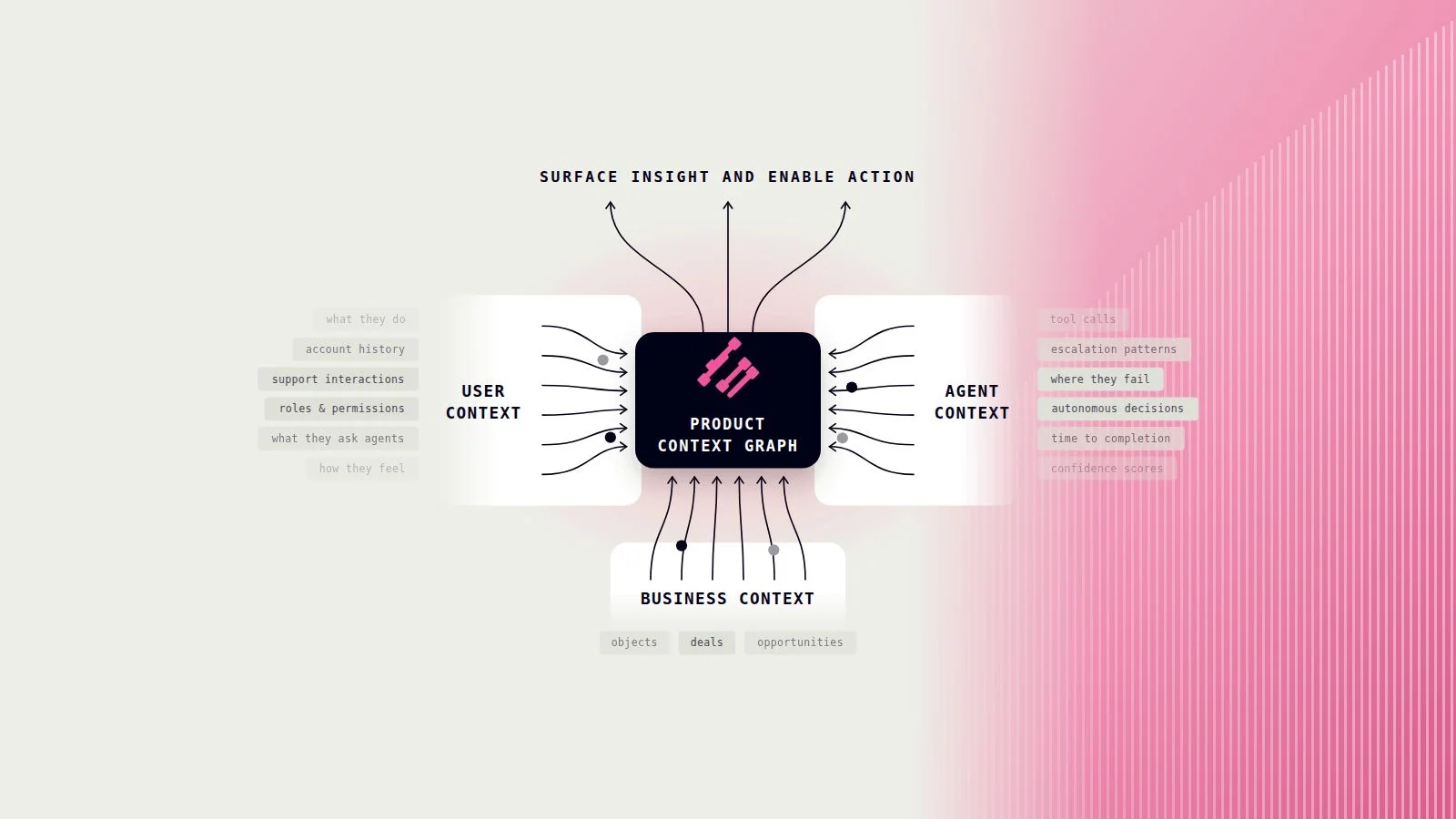
Entscheidungen zur Abdeckung hängen davon ab, Veränderungen frühzeitig zu erkennen. Product Analytics kann aufzeigen, dass die Akzeptanz nachlässt, ein wichtiger Workflow nicht genutzt wird oder ein Champion sich zurückgezogen hat. Verknüpfen Sie dieses Verhalten mit der Kundengesundheit und stellen Sie das Signal dem Account-Verantwortlichen dort bereit, wo er bereits arbeitet.
Emburse zeigt, wie diese Bausteine sich gegenseitig verstärken. Die Kundensignale des Unternehmens waren über vier Systeme verteilt. Das Unternehmen verknüpfte sie, nutzte Pendo zur Risikoidentifikation und leitete die Ergebnisse in Salesforce weiter. Das Resultat: 224 automatisch identifizierte Risiko-Accounts, 3,1× schnelleres Handeln und keine zusätzlichen CSMs.
KI half dem Team dabei zu entscheiden, worauf es sich konzentrieren sollte, während die Kundengespräche weiterhin in den Händen erfahrener CSMs lagen.
KI einsetzen, um das menschliche Urteilsvermögen zu stärken
Diese Aufgabenteilung sollte Ihre KI-Strategieleiten. Lassen Sie KI die Vorbereitung und Weiterleitung übernehmen, damit Ihre Mitarbeiter mehr Zeit für eine angespannte Vertragsverlängerung, einen verunsicherten Champion oder einen Kunden aufwenden können, der das Vertrauen verloren hat.
KI kann Kontoverläufe zusammenstellen, Gespräche zusammenfassen und Veränderungen markieren, die einem Manager möglicherweise entgehen. Ein Mensch muss jedoch nach wie vor die Stimmung einschätzen, Vertrauen wiederaufbauen und entscheiden, was als Nächstes geschehen soll.
Emotionale Intelligenz und Überzeugungskraft gehören zum Kernkompetenzset im CX-Bereich. Stellen Sie Menschen ein und coachen Sie sie darin, Zögern wahrzunehmen, die eigentliche Sorge hinter einem Einwand aufzudecken und ein anderes Team dazu zu bewegen, auf ein Kundensignal zu reagieren.
Struktur, Produktkontextund menschliches Urteilsvermögen verstärken sich gegenseitig. Sie müssen nicht alles auf einmal verbessern, aber Sie müssen bewusst entscheiden, wo Sie anfangen.
Das Fundament in einen fokussierten Plan umwandeln
Beginnen Sie mit der Einschränkung, die Ihr Team reaktiv hält. Wenn Teams Gesundheit unterschiedlich definieren, einigen Sie sich auf die Signale, bevor Sie Automatisierung hinzufügen. Wenn Manager Stunden damit verbringen, die Account-Historie zusammenzustellen, führen Sie ein einwöchiges Zeitaudit durch und testen Sie einen KI-gestützten Workflow. Wenn das Team Risiken erkennt, aber Schwierigkeiten mit dem anschließenden Gespräch hat, investieren Sie in Coaching und Rollenspiele.
Ordnen Sie die Arbeit so, dass jede Änderung die nächste ermöglicht. Legen Sie ein messbares Ergebnis fest und führen Sie einen fokussierten Test durch. Sie könnten sich zunächst auf die Gesundheit einigen und dann diese Signale nutzen, um die Betreuung neu zu gestalten. Wenn Ihre Signale bereits stark sind, konzentrieren Sie sich darauf, wie Account-Verantwortliche auf diese reagieren.
Klare Verantwortlichkeiten, verlässliche Produktsignale und fundiertes Urteilsvermögen werden starke CX-Organisationen in den nächsten Jahren auszeichnen. KI kann diesen Teams mehr Zeit und Kontext geben, um die Kundenbindung zu schützen.
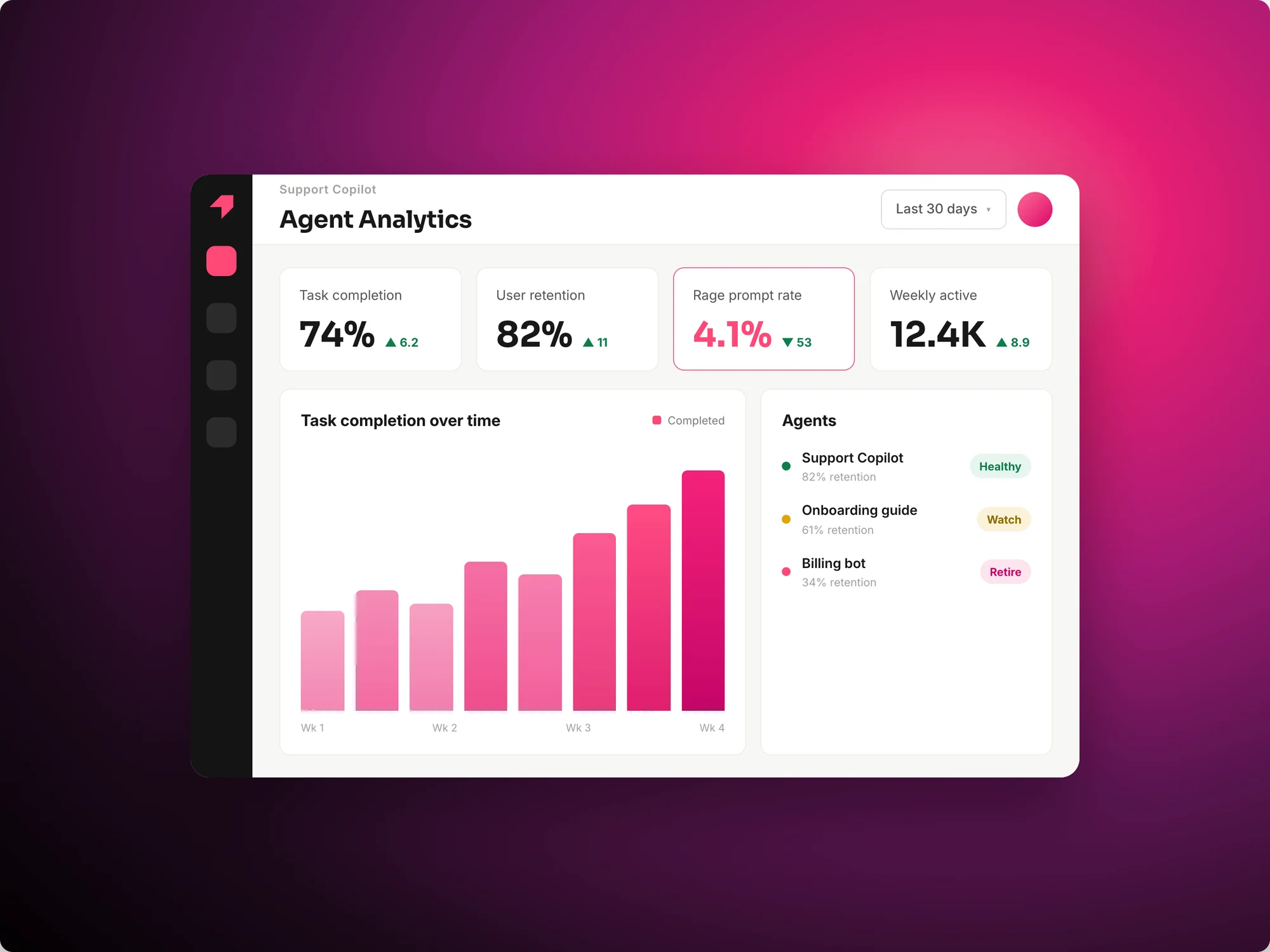
Erfahren Sie, wie Pendo CX-Teams dabei hilft, KI-Agenten den Produktkontext bereitzustellen, um Nutzer besser zu verstehen, früher einzugreifen und relevanteren Support zu bieten. Pendo for Agents entdecken