Right now, all eyes in the tech and broader business world are on Anthropic’s upcoming IPO. The company behind Claude filed its S-1 this week ahead of what could become the largest public offering ever. In it, Anthropic laid out a central part of its strategy for success and future growth: doubling down on enterprise adoption.
As TechCrunch reports, Anthropic is expanding customer relationships by encouraging adoption across its platform and applications. The company’s own filing explains why there’s still so much opportunity ahead: Anthropic sees the gap between what Claude can do and how broadly customers use it as one of its largest opportunities for growth.
In other words, Anthropic is working towards overcoming an adoption gap. Even with the resources and reach of Claude, getting customers to put AI fully to work remains an ongoing challenge. Product builders everywhere can take a lesson from this.
The adoption gap belongs to all of us
Many AI companies and the product builders within them face their own version of an enterprise adoption gap. Teams invest time and resources in capabilities they believe will make users’ lives easier. But getting users to discover those capabilities, understand them, and make them part of their working lives is what separates the best from the rest.
AI adds urgency to a familiar problem. With enterprise agents taking on more complex tasks, users have to trust software to act on their behalf. An agent that misunderstands what someone needs, asks them to repeat information, or leaves a task unfinished gives that person a reason to look elsewhere.
For product teams, those experiences have consequences well beyond a disappointing interaction. They shape whether customers return, whether colleagues start using the agent, and whether an enterprise account sees enough value to expand its investment.
That makes adoption a central concern for anyone responsible for an AI product’s success. It deserves attention in roadmap decisions and in how teams evaluate the software they’ve already shipped.
Better adoption starts with understanding your users
Anthropic’s filing describes an improvement loop: Enterprise deployments help the company understand users’ problems, and that understanding informs improvements that support driving further adoption.
Product builders everywhere should work from the same premise. They need to understand what people are trying to accomplish with an agent, where interactions break down, and what happens after the conversation ends. An increase in prompts means little without some understanding of whether users are getting their work done.
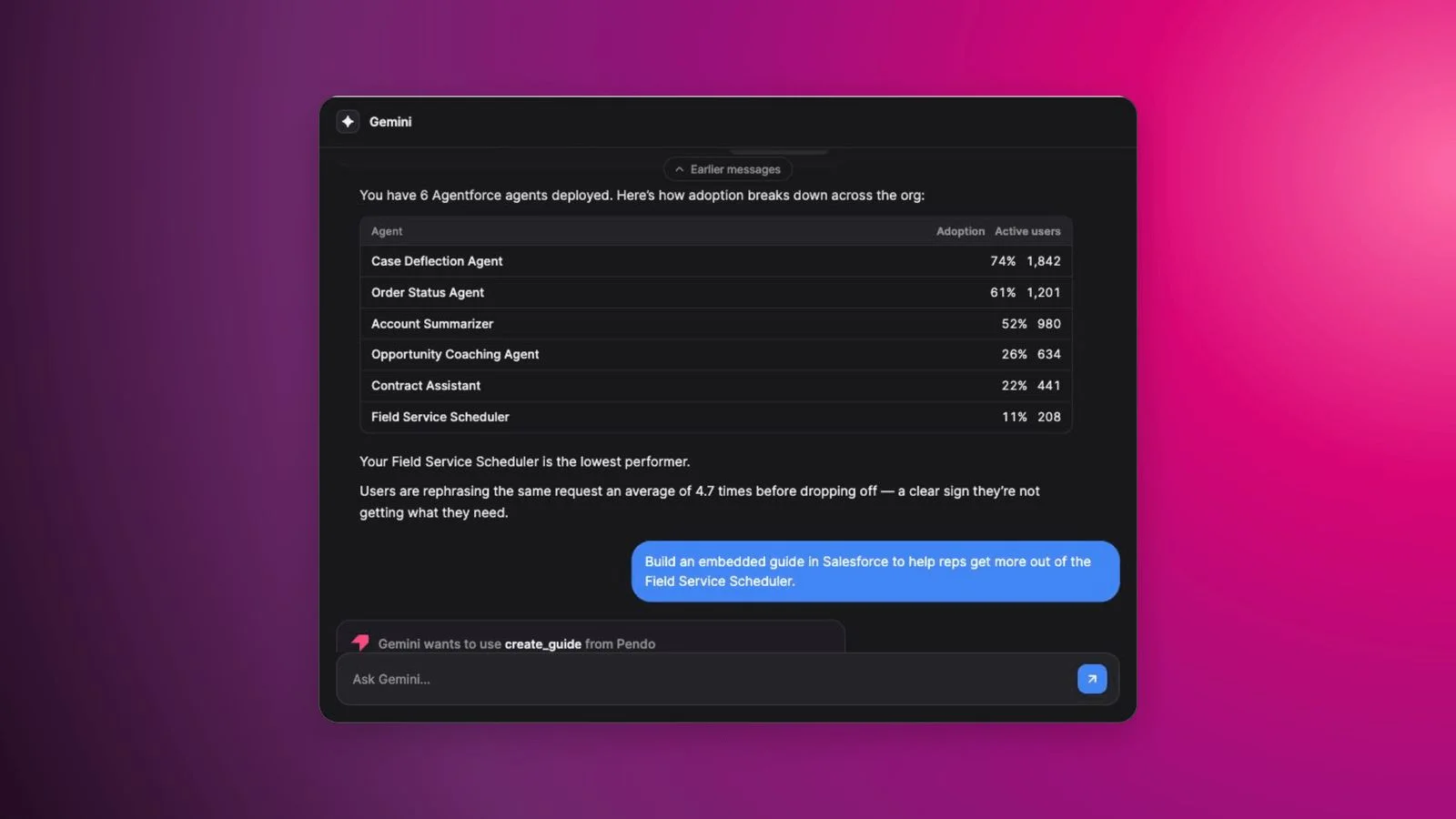
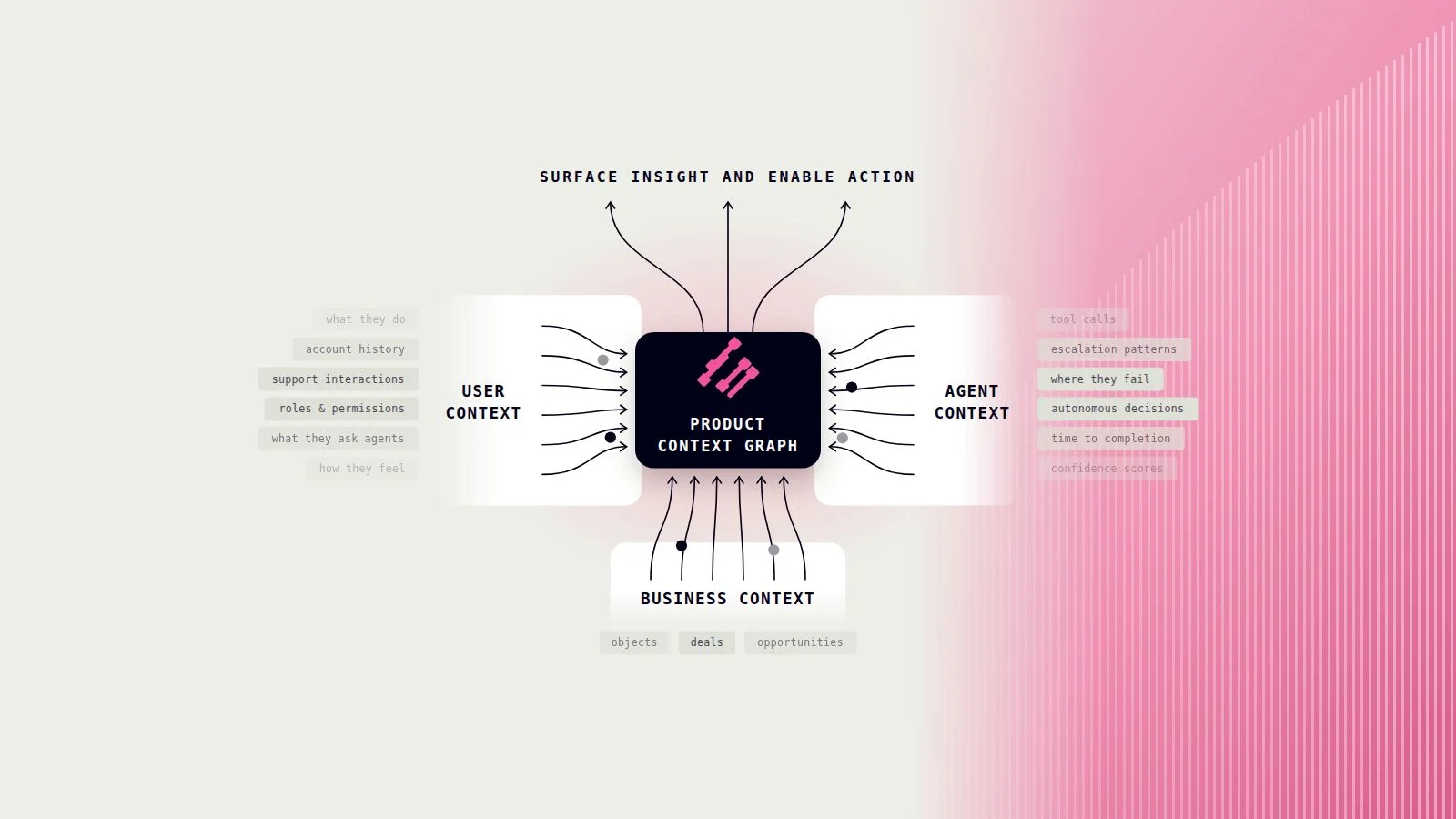
Pendo for Agents helps teams establish that connection. Agent Analytics gives builders visibility into how people use their agents, the issues they encounter, and whether interactions lead to successful outcomes. Teams can connect agent conversations to the broader product journey, giving them evidence to prioritize improvements and assess the value of their AI investment.
That understanding can also improve the experience users receive in the moment. Agent Toolkit gives agents behavioral context about the people they’re helping, including where they’ve been in the product and where they’ve struggled. Agents can personalize assistance, surface relevant guidance, and help users move forward with their work.
Together, those capabilities give builders a way to improve adoption over time. They can understand why an agent falls short and equip it to offer more useful help. As users find more value in the experience, teams have a stronger foundation for earning their trust, continued engagement, and further investment.
Drive adoption, wherever you work
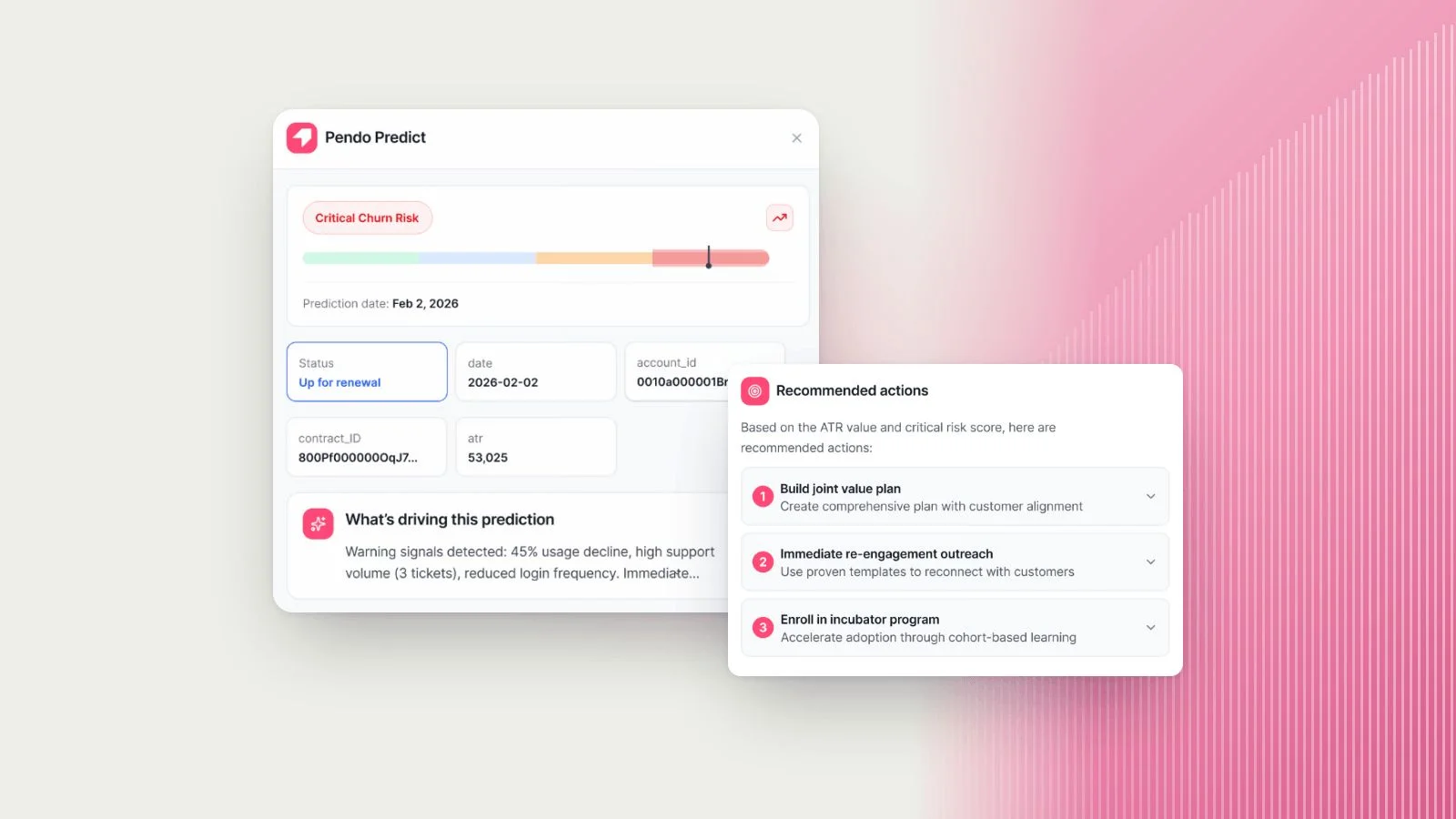
Driving enterprise adoption requires understanding where your users find value, where they struggle, and what improvements they care about most. Headless Pendo makes it easier for product builders to take action on these insights than ever before.

Through Pendo’s MCP server, builders can access product usage data and customer context from AI tools such as Claude and Cursor. Once connected, they can investigate adoption gaps and bring behavioral evidence into product decisions, all without logging into the Pendo interface.
Product intelligence then becomes part of the development process itself and helps teams prioritize improvements around what users need to accomplish. That gives builders a clearer path from understanding an adoption gap to creating an experience customers want to use again.
Anthropic’s IPO will generate plenty of debate about the future of AI. But for product builders in particular, its emphasis on expanding enterprise adoption offers a reminder about the real work ahead. Customers need experiences that help them accomplish something worthwhile, and builders need the insights to keep making those experiences better.
To see firsthand how Pendo helps drive enterprise adoption, demo Pendo for Agents.