Der Einsatz von Agenten ist 2026 selbstverständlich. Der 2026er Pulse-Report von Plug and Play über die größten Unternehmen der Welt ergab, dass inzwischen etwa drei Viertel mindestens ein KI-System im Produktivbetrieb einsetzen, und fast alle befinden sich in der Pilotphase oder sind bereits weiter fortgeschritten. Es wurde jedoch auch festgestellt, dass die Hälfte dieser Unternehmen nicht sagen kann, ob irgendetwas davon funktioniert hat.
Der eigentliche Kampf gilt dem Vertrauen und der Loyalität der Nutzer
Was die Unternehmen, die vorankommen, von anderen unterscheidet, ist die Frage, ob die Nutzer tatsächlich einen Mehrwert aus dem ziehen, was sie entwickelt haben. Ein Agent kann einwandfrei laufen und den Nutzer dennoch nicht besser stellen.
Der Nachweis des Mehrwerts ist aus einem bestimmten Grund schwierig: Auf beiden Seiten jedes Agenten, den Sie einsetzen, klaffen zwei Lücken. Beim Einstieg kennt Ihr Agent Ihren Nutzer nicht. Wo befindet er sich in seiner Journey? Wobei kommt er nicht weiter? Was hat er sich vorgenommen? Beim Ausstieg können Sie nicht sehen, wie der Agent genutzt wird, ob er gut geantwortet hat oder wo er versagt hat.
Schließt man keine der beiden Lücken, erhält man das, was derzeit die Enterprise-Tech-Stacks füllt: Schrott. Agenten, die schnell und billig gebaut werden, ohne Urteilsvermögen, Geschmack oder Produktkontext. Zombie-Agenten, die unkontrolliert laufen, die niemand misst und niemand verantwortet. Es ist keine Überraschung aktuelle Umfragen haben ergeben, dass jeder vierte Dollar, der für KI ausgegeben wird, verschwendet ist. Diese Zahl wird mit jedem Sprint, den Sie nicht messen können, weiter steigen.
Geschwindigkeit hat das Bauen einfach und den Nachweis schwer gemacht
KI hat die Kosten für die Auslieferung von Software möglicherweise gesenkt, aber Unternehmen haben nach wie vor Schwierigkeiten zu beweisen, dass die Software funktioniert. Und die Lücke zwischen dem, was Unternehmen für KI ausgeben, und dem, was die Menschen tatsächlich nutzen, wird immer größer. Gartner beziffert die dadurch entstehenden Verluste auf 116 Milliarden Dollar.
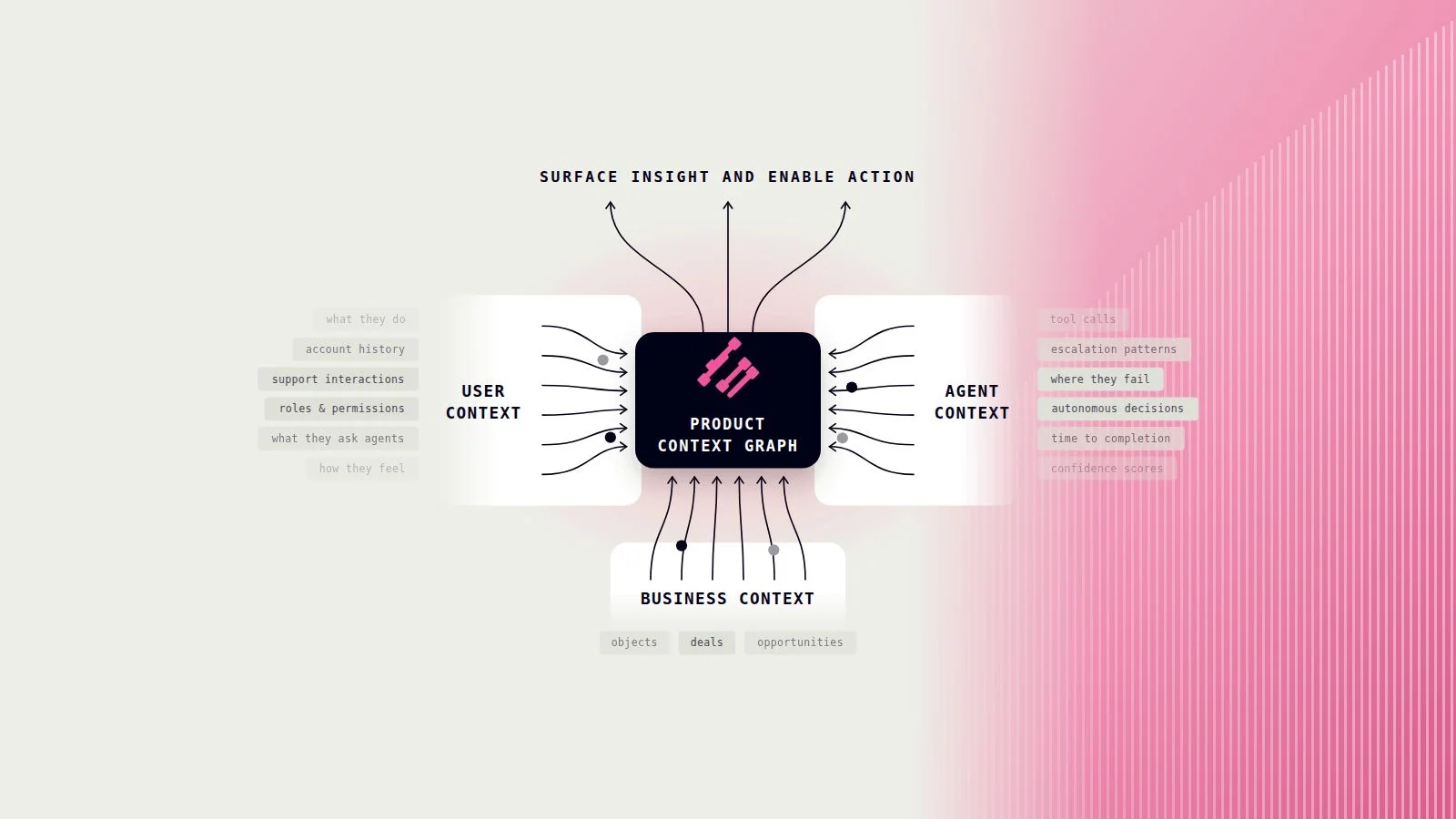
Jedes Messproblem lässt sich auf eine fehlende Eingabe zurückführen: den Produktkontext. Bei Pendo haben wir dies als die Aufzeichnung dessen beschrieben, was Ihre Nutzer und Ihre Agenten tatsächlich in der App tun: die quantitativen und qualitativen Daten, die ab der ersten Nutzung Ihres Produkts erfasst werden. Ohne diese Daten erfindet jedes Team seine eigene Definition von „funktioniert," und keines davon lässt sich zu einer Zahl zusammenfassen, die Ihr CFO vergleichen oder zur Bewertung der tatsächlichen Wirkung eines Agenten heranziehen kann. Enterprise-Käufer spüren das bereits: Sie gewichten Erklärbarkeit und Vertretbarkeit inzwischen höher als reine Leistung, wenn sie einen Anbieter auswählen.
So entwickeln Sie Agenten, die Ihre Nutzer wirklich unterstützen
Produktkontext ist das, was proaktive, sich selbst verbessernde Agenten schafft: Nutzer-, Agenten- und Geschäftsdaten an einem Ort, damit die Teams, die auf KI aufbauen, Erlebnisse liefern können, die Mehrwert schaffen – und keinen weiteren Datenmüll. Das Betriebsmodell ist unkompliziert: verstehen, was in der App passiert, Ihre Agenten befähigen, darauf zu reagieren, und Ihr Produkt kontinuierlich verbessern experience.
Agent Analytics: Wirksamkeit nachweisen
Mit Pendo Agent Analytics können Sie sehen, wer Ihren Agenten wofür nutzt, fehlgeschlagene Interaktionen erkennen, bevor sie zur Abwanderung führen, und messen, ob er echte Ergebnisse wie die Aufgabenerledigung fördert. Ticketmaster hat ein internal agent und hatte keine Möglichkeit zu wissen, ob es ankam. Mit Agent Analytics reduzierte das Team die Rage-Prompts um 53 %, erreichte eine Nutzerbindung von 82 % und rollte die Lösung mit den entsprechenden Kennzahlen zur Untermauerung der Entscheidung auf mehr Personen aus.
Agent Toolkit: Lassen Sie es handeln
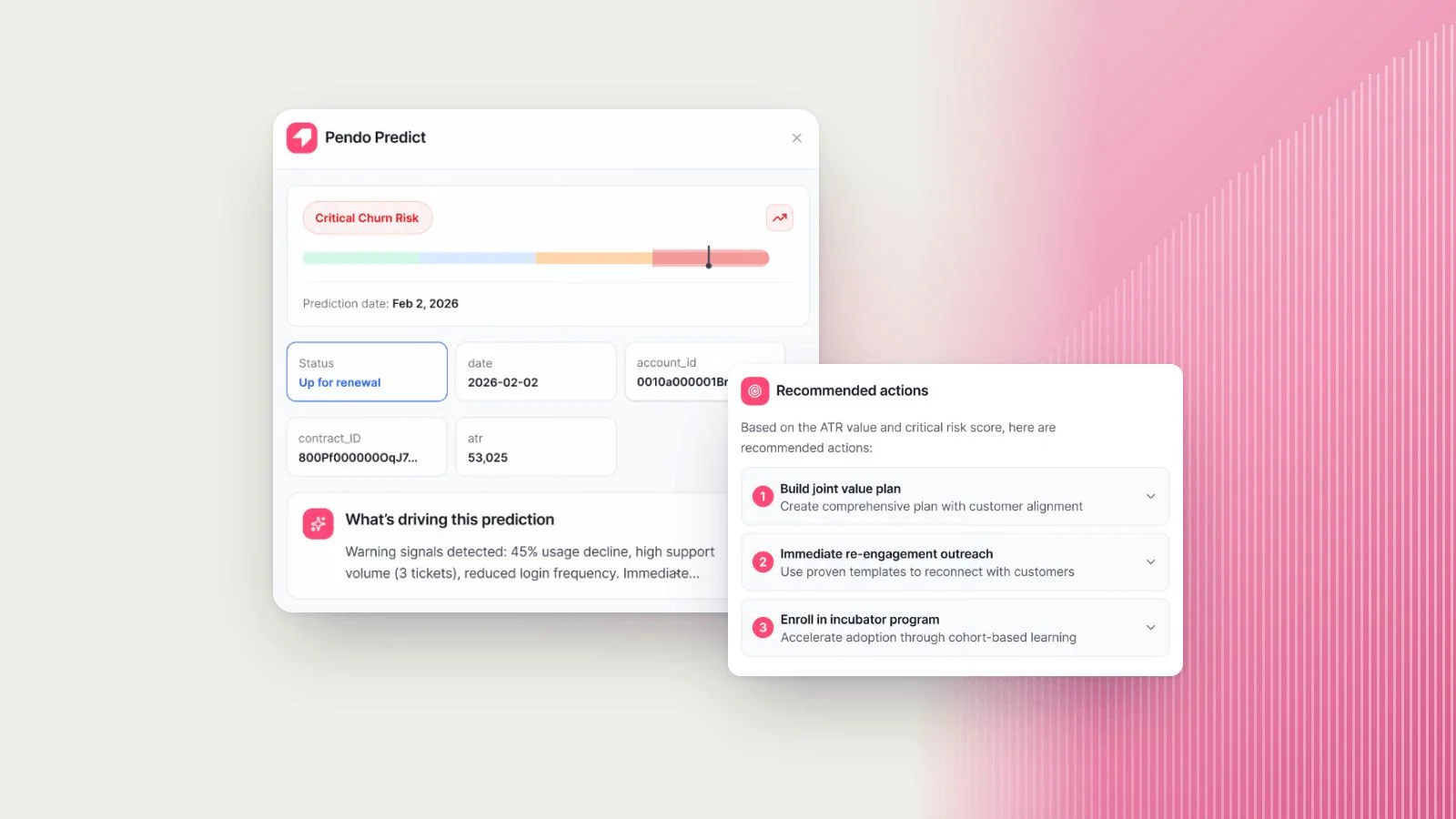
Pendos Agent Toolkit ermöglicht es Ihnen, Ihre Produktdaten mit jedem Agenten zu verbinden – ob selbst entwickelt oder zugekauft –, sodass er zum richtigen Zeitpunkt eingreift: sei es, um den passenden Guide anzuzeigen, ein Abwanderungsrisiko frühzeitig zu erkennen oder einen Nutzer zurück zu einem Workflow, den sie abgebrochen hatten. Teachable hat seinen Support-Agenten mit dem Pendo-Kontext verknüpft und ihn proaktiv gemacht. Jetzt werden 67 % der von Pendo initiierten Tickets vom Agenten gelöst, mit einem Anstieg der Antwortquoten um 200 %.
Command Center: Das Portfolio verwalten
Mit Pendo Command Center haben Unternehmen einen zentralen Ort, um alle laufenden Agenten zu überwachen, Zombie-Agenten zu deaktivieren und Tools mit geringem Mehrwert zu eliminieren, damit Sie in das investieren können, was wirklich funktioniert. Wenn Sie das gesamte Portfolio auf einen Blick sehen können, lässt sich der Ballast aufhört sich zu verschlimmern und die Agenten, die ihren Platz verdienen, Raum zum Wachsen bekommen.
Die Zukunft gehört Agenten, die Mehrwert schaffen
Die Unternehmen, die den Kampf um den Nutzer gewinnen, werden nicht diejenigen sein, die die meisten Agenten ausgeliefert haben, sondern diejenigen, die in Zahlen, denen jeder vertraut, nachweisen können, dass ihre Agenten Nutzer und Unternehmen besser zurückgelassen haben als zuvor. Dafür ist Pendo gebaut: um Ihnen den Produktkontext hinter jedem Nutzer und jedem Agenten zu liefern, damit Sie was die Leute lieben, und beweisen Sie, dass es sich ausgezahlt hat.
Um mehr darüber zu erfahren, wie Pendo jedem Agenten den Kontext bietet, um besser zu performen, fordern Sie hier eine Demo an.